••
Eric Opoku launches $18.8m REWARD project for rice self-sufficiency
•2 min read•3 sources
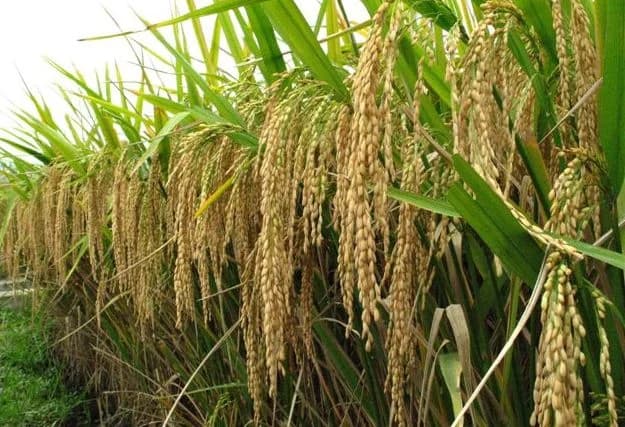
The Minister of Food and Agriculture, Eric Opoku, has announced the launch of the $18.8 million Regional West Africa Resilient Rice Value Chains (REWARD) project to address Ghana's reliance on food imports. Funded by a grant from the African Development Bank (AfDB), the initiative is the cornerstone of a government strategy to achieve total rice self-sufficiency by 2028. Currently, domestic production satisfies only 56% of national demand, leaving a 44% gap that costs the country approximately $500 million in annual import expenditures.
The project, set for its official unveiling in November 2026, aims to increase total paddy production to 3.31 million metric tonnes. To achieve this, the Ministry will oversee the cultivation of 3,200 hectares of land in the Northern Savannah Ecological Zone. The REWARD initiative is designed to benefit more than 20,000 smallholder farmers by providing improved seeds, technical training, and modernized infrastructure. This includes the establishment or upgrading of 10 rice processing centers and significant improvements to local storage facilities to minimize post-harvest losses.
In addition to the AfDB funding, the project will be bolstered by $2.5 million in equipment support from the Japanese government. This contribution, which includes harvesters and seed-cleaning machinery, is scheduled to arrive in Ghana by November 2026. Minister Opoku also detailed policy shifts intended to support the local industry, including a new import quota system. Under this framework, the right to import rice will be tied to a company’s level of investment in local production, encouraging deeper collaboration between commercial importers and domestic rice farmers.
By integrating financial investment, technical support, and policy reform, the government seeks to create a more resilient agricultural sector. The successful execution of the REWARD project is expected to significantly reduce the drain on Ghana's foreign exchange reserves while enhancing national food security. Beyond the economic savings, the initiative aims to transform the rice value chain into a more lucrative venture for rural communities, providing a sustainable pathway for economic growth in the northern regions.
Live rates
Dollar to cedi rate →
