••
Ghana Urged to Adopt "One Health" Model to Combat Zoonotic Disease Outbreaks
•2 min read•1 source
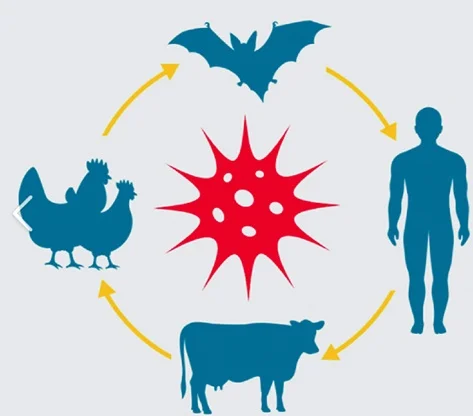
Ghana is facing a critical call to adopt a "One Health" approach to better manage zoonotic diseases—illnesses that jump from animals to humans. Experts warn that the current fragmented response system, which often operates in silos across different sectors, leads to dangerous delays and inefficiencies in outbreak management. As zoonotic infections remain common in Ghana and the threat of future pandemics looms, integrating the efforts of veterinary, medical, and environmental professionals has become an urgent national health priority.
The One Health model advocates for a unified framework that promotes collaboration across disciplines, emphasizing that the health of humans is inextricably linked to the health of animals and the shared environment. Key pillars of this strategy include establishing joint surveillance programs, sharing laboratory resources, and fostering robust community engagement. By involving local communities in early warning systems, the country can identify potential outbreaks at their source before they escalate into national crises, saving both lives and economic resources.
Despite the existence of theoretical frameworks for this integrated approach, the transition to a functional system requires more than just policy documents. Consistent political will and dedicated financial support are essential to bridge the gap between planning and action. With climate change further accelerating disease transmission patterns and altering wildlife habitats, there is an urgent need for the government to invest in this multidisciplinary infrastructure to protect public health in an increasingly volatile environment.
Ultimately, the success of the One Health initiative depends on a collective commitment from both policy makers and citizens. Ensuring that environmental protections and veterinary services are as prioritized as clinical medicine will create a more resilient health architecture for the nation. As Ghana looks toward future-proofing its healthcare system under the current administration, the "One Health" strategy offers the most viable path toward preventing and managing the next major biological threat effectively.

