••
National Population Council Calls for Coordinated Action as Ghana Records 53,000 Adolescent Pregnancies in Six Months
•2 min read•2 sources
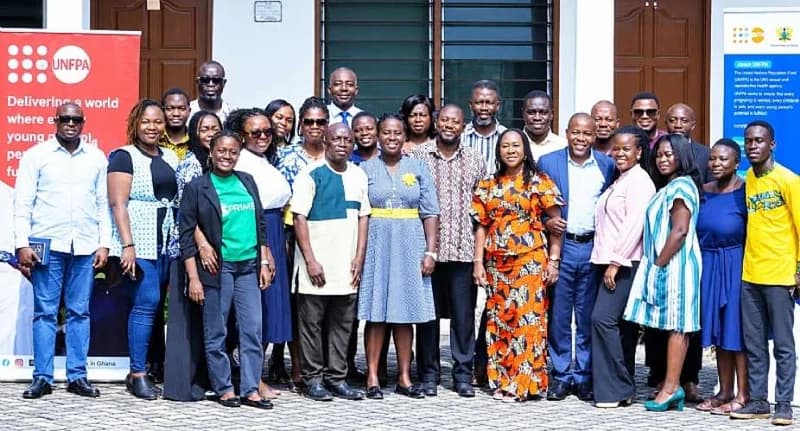
The National Population Council (NPC) has called for an urgent, unified response from government bodies, development partners, and civil society to address the escalating health challenges facing Ghana’s youth. At a high-level stakeholder meeting held in Accra, officials emphasized that enhanced coordination is essential to effectively implement sexual and reproductive health (SRH) policies. This call for action comes as the nation recognizes the critical need to safeguard its youthful demographic against persistent health and social risks that threaten their future potential.
Data presented during the discussions revealed a sobering reality: over 53,000 adolescent pregnancies were recorded across the country in the first half of 2026 alone. Angelina Osei Kodua-Nyanor, Acting Executive Director of the NPC, highlighted that these figures, alongside rising HIV infection rates and instances of gender-based violence, require immediate and synchronized interventions. She noted that while policies are in place, the current fragmentation in service delivery and lack of synergy between agencies hinder the country’s ability to provide adequate protection and care for adolescents.
Addressing the systemic barriers to healthcare, the Ghana Health Service (GHS) underscored the need for consistent and adolescent-friendly messaging regarding sexual health. Stakeholders identified facility-based stigma as a primary deterrent for young people seeking medical assistance. To counter this, Programme Manager Sharifa Mohammed advocated for a more inclusive approach that specifically incorporates adolescent boys into health strategies. This shift aims to ensure that health interventions are comprehensive and that boys are not excluded from the conversation surrounding reproductive responsibility and safety.
Moving forward, the NPC and its partners are prioritizing localized interventions that account for the varying rates of adolescent pregnancy and health risks across Ghana's different regions. By strengthening the partnership between government institutions and non-governmental organizations, stakeholders aim to improve public understanding and advocate for adolescent-friendly health services. The consensus from the meeting remains clear: a coordinated, multi-sectoral effort is the only way to eliminate service gaps and ensure that every young person in Ghana has access to the support they need.


