••
Ghana’s MoFA Secures $50m Fertilizer Deal as Industrial Projects and Local Livelihoods Drive African Agribusiness
•2 min read•4 sources
The Ministry of Food and Agriculture (MoFA) has signed a landmark $50 million agreement with ABC Oyeasase Yie Ltd to establish an organic fertilizer blending facility in the Eastern Region. This project, a cornerstone of the government’s "Feed Ghana Programme," aims to bolster domestic production, enhance soil health, and promote sustainable farming practices. Minister Dr. Eric Opoku underscored the importance of the facility in improving food security, while the partnership is expected to create significant employment and improve crop yields for both conventional and organic farmers across the country. Samuel Adimado of ABC Oyeasase Yie Ltd confirmed that implementation plans are underway to ensure the facility meets the growing demand for soil nutrients.
This push for agricultural self-sufficiency in Ghana mirrors broader industrial trends across the continent, highlighted by the high-profile upcoming Initial Public Offering (IPO) of the Dangote Petroleum Refinery. Analysts are closely watching the valuation of this massive African industrial achievement, considering factors like sustainable refining margins and utilization rates. Similarly, in Madagascar, the packaging firm Enduma is celebrating 50 years of producing "gony" bags—plastic sacks essential for the rice harvest that have largely replaced heavier jute alternatives. Despite challenges like power outages and stiff competition from imports, Enduma generates 75% of its revenue during peak agricultural seasons, symbolizing the critical link between manufacturing and the harvest.
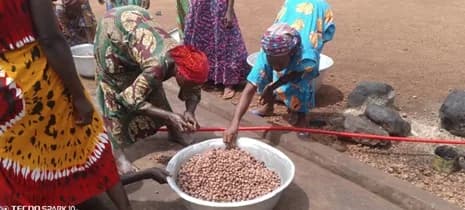
However, the transition from raw production to high-value processing remains fraught with obstacles for small-scale players, particularly in Ghana's Northern Region. In the Sorugu community, the vital shea processing industry—a lifeline for local women—is currently under threat. Women processors, including Tohaltu Abubakari and Salima Mahama, report gaining financial independence through the trade but face severe shortages in modern machinery and limited access to financing. They are also struggling against increasing competition from traders who buy raw nuts for export, bypassing local value-added processing and threatening community jobs.
These diverse business developments underscore a critical juncture for African economies: the need to balance large-scale industrial investments with the modernization of traditional sectors. For ventures like the new $50 million fertilizer facility and Madagascar’s Enduma to succeed long-term, they must navigate regional competition and infrastructure deficits. Ultimately, the success of the "Feed Ghana" initiatives and the survival of Sorugu’s shea industry will depend on sustained policy support that bridges the gap between raw resource extraction and sophisticated, value-added manufacturing.

