••
Ghanaian Researchers Lead Pediatric Medicine Breakthrough as New Vitamin A Technology Targets African Malnutrition
•2 min read•2 sources
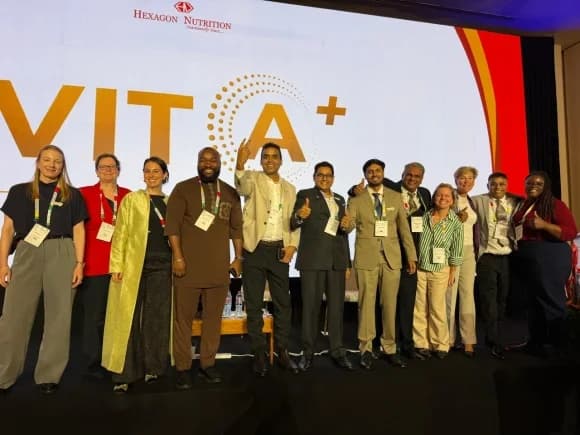
Public health in Ghana and across the African continent is set for a significant boost following two major breakthroughs in pediatric medicine and nutritional fortification. Researchers at the Kumasi Centre for Collaborative Research in Tropical Medicine (KCCR), based at the Kwame Nkrumah University of Science and Technology (KNUST), are spearheading an international initiative known as the IVM-KIDS project. This ambitious effort aims to develop a child-friendly formulation of Ivermectin, a potent drug used to treat various neglected tropical diseases (NTDs). While Ivermectin has long been hailed for its effectiveness, current formulations are not approved for children weighing under 15 kilograms, leaving a critical gap in the treatment of the youngest and most vulnerable populations. Led by Professor John Amuasi and supported by EU funding, the project involves a consortium of African and European institutions working to validate the safety and efficacy of the drug for infants and toddlers. Trials for this new formulation are expected to commence in 2027, following necessary regulatory approvals, with the ultimate goal of generating evidence to influence global health policies and include young children in mass drug administration programs. Complementing these medical advancements, Hexagon Nutrition has launched VIT A+, a pioneering Vitamin A formulation designed to combat widespread nutritional deficiencies across Africa. Developed in collaboration with Particles for Humanity, VIT A+ utilizes advanced encapsulation technology to ensure the vitamin remains stable during storage and high-heat cooking processes. This addresses a long-standing challenge where traditional fortification often lost potency before reaching the consumer. The commercial launch follows successful process validation in India, where enough of the formulation was produced to fortify 600 million food servings. This technology is designed for easy integration into existing food production lines without requiring new manufacturing equipment, making it a scalable solution for large-scale nutritional interventions. Together, these developments represent a dual-pronged approach to improving child survival and long-term health outcomes in the region. By closing the gap in NTD treatment for children under five and ensuring more reliable access to essential vitamins, these initiatives address the root causes of preventable illness and developmental delays. The success of the IVM-KIDS trials and the widespread adoption of VIT A+ could mark a turning point in how African nations manage public health, moving toward more inclusive and technologically resilient strategies for the next generation.
