••
Informal cross-border trade projected to hit GH₵31bn in 2025
•2 min read•2 sources
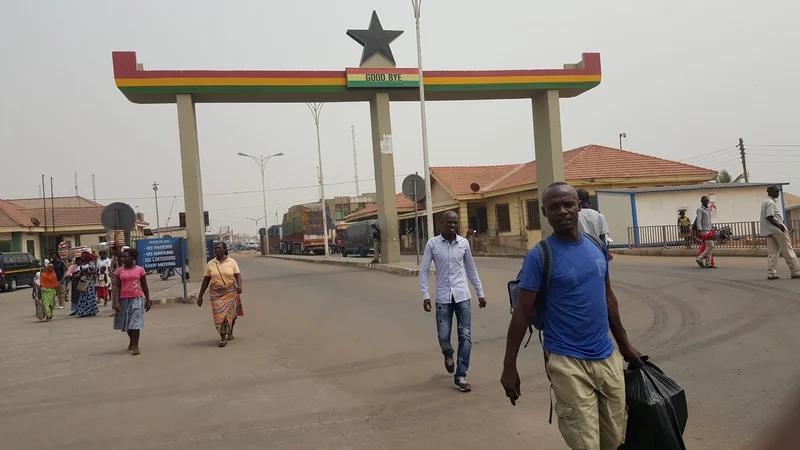
Ghana's informal cross-border trade (ICBT) is expected to reach GH₵31 billion within the first three quarters of 2025, significantly outperforming formal trade by approximately 54%. Despite its vital economic contribution, traders—predominantly women—continue to face systemic hurdles including harassment, undocumented levies, and the lack of formal grievance mechanisms. These findings were central to a stakeholder dialogue organized by the Africa Capacity Building Foundation and the Ghana National AfCFTA Champions, aimed at ensuring small-scale traders can benefit from the African Continental Free Trade Area (AfCFTA).
Participants at the dialogue, which included traders from various border towns, raised serious concerns regarding arbitrary fees and the frequent confiscation of goods. Women traders emphasized that the absence of structured feedback channels makes it difficult to report violations or seek redress for harassment from border officials. These operational challenges often lead to significant delays and financial losses, undermining the potential of the informal sector to act as a catalyst for regional economic integration. Stakeholders noted that existing trade agreements frequently lack specific protections tailored to the needs of informal, small-scale operators.
In response to these challenges, the Ghana Revenue Authority (GRA) indicated it is working to simplify trade processes through initiatives such as the Simplified Goods Declaration (SGD). The stakeholder dialogue also resulted in the proposal of a Joint Action Plan designed to improve coordination among various border agencies and establish functional grievance-redress mechanisms. This plan aims to provide traders with clear guidelines and accessible information to help them navigate complex border procedures with greater transparency and less risk of exploitation.
Moving forward, stakeholders emphasized the necessity of implementing gender-responsive trade policies and ensuring the formal representation of informal traders in national policy discussions. By improving physical infrastructure and establishing transparent oversight systems, Ghana can better leverage the GH₵31 billion informal trade sector to drive inclusive growth under the AfCFTA framework. Enhanced collaboration between investors, border officials, and traders remains critical to transforming these systemic challenges into opportunities for sustainable economic development.
Related topic
Ghana Customs Recruitment: Latest News & Updates →