••
Ghana’s inflation rate rises to 5.5% in October 2026
•2 min read•4 sources
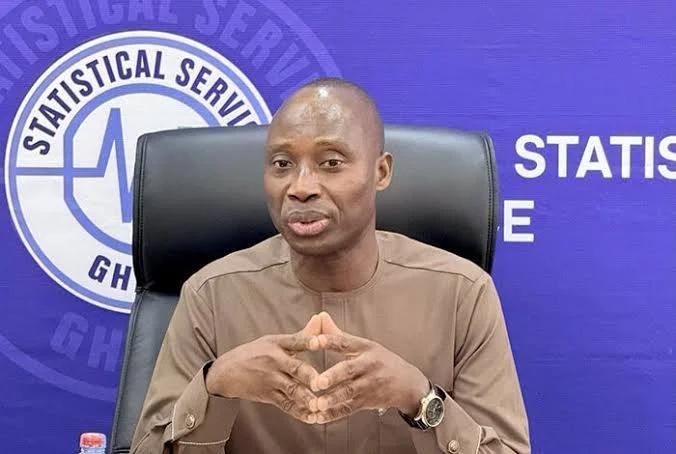
Ghana’s year-on-year inflation rate increased for the third consecutive month to reach 5.5% in October 2026, up from 5.2% in September. According to the Ghana Statistical Service (GSS), this latest figure represents the highest inflation level in 11 months. Despite the steady climb since July, the current rate remains within the Bank of Ghana’s medium-term target range of 6% to 10%, suggesting a relatively stable macroeconomic environment for now.
Government Statistician Dr. Alhassan Iddrisu attributed the rise primarily to price increases in the services sector and transportation. Non-food inflation was a dominant driver, contributing approximately 76% to the overall inflation rate. Specifically, services inflation jumped to 11.5%, while transport costs saw a significant increase from 5.7% to 14.1%. In contrast, the goods sector showed some cooling, with inflation in that category decreasing to 3.8%. Food inflation also saw an overall decline to 2.8%, though specific items like fresh tomatoes recorded a sharp price spike of 119.3%.
The data highlighted significant regional variations across the country. The Ashanti Region recorded the highest inflation rate at 9.7%, driven by local cost pressures, whereas the Northern Region experienced a slight deflationary trend with a rate of -0.5%. Dr. Iddrisu urged stakeholders to utilize these detailed breakdowns to make informed economic and policy decisions, noting that rent, transportation, and food together accounted for 37.2% of the total inflationary pressure.
Looking forward, the GSS and economic analysts warned of several risks that could threaten price stability in the coming months. A major concern is the anticipated El Niño weather phenomenon, which the Ghana Meteorological Agency expects to intensify between November 2026 and April 2027. Dr. Iddrisu cautioned that this could disrupt agriculture, cocoa production, and hydropower generation, leading to higher food and energy costs. Other potential pressures include rising petroleum prices, utility tariff adjustments, and exchange-rate fluctuations, all of which will require sustained policy discipline to manage.
classfmonline.com
PrimarybusinessGhana’s inflation rises to 5.5%; driven by services and transport
gbcghanaonline.com
businessGhana’s inflation rises to 5.5% in October, third consecutive increase
citinewsroom.com
businessEl Niño could raise food, power and import costs in Ghana – Gov't Statistician
citinewsroom.com
businessEditorial: Ghana’s inflation outlook remains favourable, but four risks persist
