••
IMF reaches staff-level agreement with Ghana on first PCI review
•2 min read•11 sources
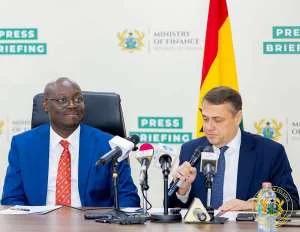
The International Monetary Fund (IMF) has reached a staff-level agreement with Ghanaian authorities following the first review of the country’s 36-month Policy Coordination Instrument (PCI). Led by mission chief Ruben Atoyan, the IMF team conducted discussions in Accra from October 22 to November 4, 2026. The agreement, which is subject to approval by IMF Management and the Executive Board, signals a strong endorsement of Ghana’s economic recovery, with the Fund noting that macroeconomic stability is becoming entrenched. Real GDP grew by 6.2% in the first half of 2026, while inflation fell to 5.5% in October, remaining below the Bank of Ghana’s target range.
Despite the positive growth trajectory, the IMF highlighted significant pressure on foreign exchange reserves and external vulnerabilities. To address these challenges, the government has implemented corrective measures, including shifting foreign exchange intermediation from the Bank of Ghana to GoldBod and increasing gold sale requirements for large-scale miners. These steps come as the Ghana Accelerated National Reserve Accumulation Programme (GANRAP) faces setbacks from a 20% decline in gold prices over the past nine months and rising US treasury yields, which have complicated efforts to reach the target of 8.6 months of import cover by the end of 2026.
Performance under the PCI was described as broadly satisfactory, with the government meeting most quantitative targets and advancing key structural reforms. Notable achievements include the parliamentary approval of a new Cocoa Board Act and the publication of the Fiscal Strategy Document. For the 2027 fiscal year, the government aims for a primary surplus of 0.5% of GDP, focusing on rigorous project appraisal and fiscal discipline to support infrastructure development and job creation. Technical Advisor to the Ministry of Finance, Dr. Theo Acheampong, noted that while the economic revamp is on track, risks remain in the energy and cocoa sectors.
Moving forward, the IMF has urged the government to maintain its reform momentum and adopt prudent monetary policies to mitigate domestic fiscal pressures. The Fund outlined eight key priorities for the next phase of the program, including improvements in tax administration, public sector governance, and liquidity management. Strengthening reserve buffers and enhancing governance are considered critical to building public trust and safeguarding the economy against continued volatility in global oil, cocoa, and gold prices.
graphic.com.gh
PrimarybusinessIMF praises Ghana’s growth and fiscal position after first PCI review
ghanaweb.com
businessFULL TEXT: Here's what IMF said about Ghana's economy after first PCI review
ghanaweb.com
businessBoG, GoldBod under pressure as Ghana's reserve targets face setbacks - Report
myjoyonline.com
businessGhana remains exposed to volatility in gold, cocoa and oil prices; domestic risks also persist - IMF
myjoyonline.com
businessIMF gives Ghana’s economic recovery a strong endorsement
citinewsroom.com
businessTheo Acheampong: Ghana's economy on track despite external risks
modernghana.com
businessIMF reaches staff-level agreement with Ghana on first review of 36-month programme
myjoyonline.com
businessGhana meets most PCI targets, but risks remain – IMF
citinewsroom.com
businessEight reforms the IMF wants Ghana to complete after first PCI review
citinewsroom.com
businessIMF reaches staff-level agreement with Ghana on first PCI review
myjoyonline.com
businessFalling reserves force changes to Ghana’s gold and forex arrangements - IMF
Live rates
Ghana gold price →
