••
Health Ministry Launches National Strategic Plan to Tackle Toxic Heavy Metals in Ghana's Food Supply
•3 min read•1 source
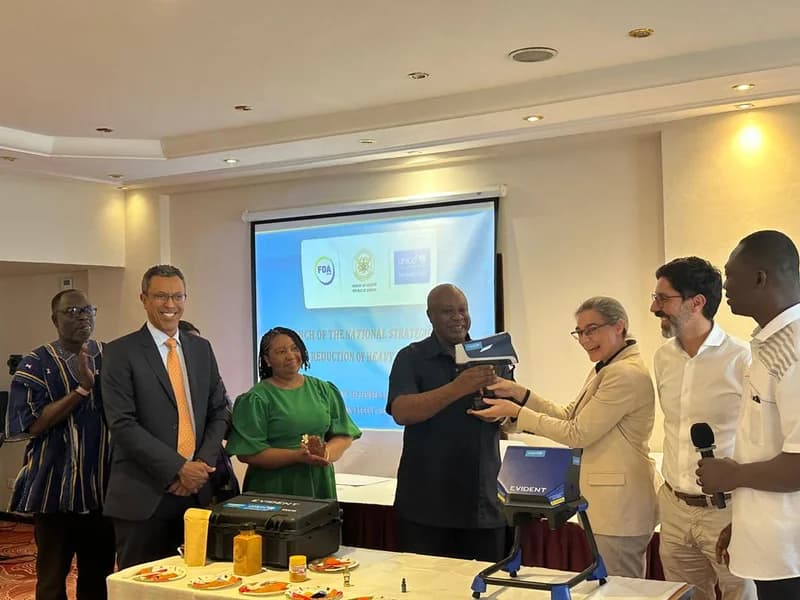
The government of Ghana has officially launched a comprehensive National Strategic Plan aimed at reducing the prevalence of toxic heavy metals in the country’s food supply chain. This initiative, spearheaded by the Ministry of Health and the Food and Drugs Authority (FDA), targets the mitigation of four specific hazardous substances: lead, cadmium, mercury, and arsenic. Deputy Minister of Health, Prof. Dr. Grace Ayensu-Danquah, described the plan as a vital national policy commitment necessary for protecting public health and supporting national development. The strategy marks a significant shift in Ghana’s food safety approach, transitioning from reactive measures to a proactive, preventive framework that emphasizes surveillance, laboratory capacity-building, and stricter regulatory oversight.
The urgency of this intervention is underscored by recent data from the Food and Drugs Authority, which revealed alarming contamination levels in staple food products. According to reports, laboratory analysis found that 29% of cereal samples exceeded the permissible limits for cadmium, while a staggering 42% of turmeric samples contained excessive levels of lead. These contaminants are often introduced through environmental and industrial pathways, including mining activities and improper waste disposal. To address these risks, the new strategic plan focuses on enhancing monitoring systems and strengthening the legal frameworks required to hold actors across the food supply chain accountable for safety standards.
International partners, most notably UNICEF, have identified the presence of heavy metals as a critical child rights and health crisis. UNICEF highlighted that lead exposure is particularly damaging to children, as it can cause permanent neurological damage and hinder physical and cognitive development. Studies have identified elevated lead levels in various consumer products, prompting calls for immediate and sustained action. By framing food safety as a fundamental right, the plan seeks to ensure that the most vulnerable populations are shielded from the long-term health consequences of heavy metal toxicity, which can lead to chronic illnesses and reduced economic productivity.
The successful implementation of the National Strategic Plan will require robust multi-sectoral collaboration and the mobilization of both domestic and international resources. While international partners have pledged their continued technical and financial support, the Ministry of Health emphasized the importance of securing sustainable domestic funding to ensure the project’s long-term viability. By fostering cooperation between government agencies, private sector stakeholders, and health experts, Ghana aims to build a resilient food safety system that not only protects its citizens but also bolsters the country's economic interests by meeting international food quality standards for trade.
