••
Ghana's Health Sector Receives Major Boost Through Corporate Partnerships and Local Infrastructure Revitalization
•3 min read•5 sources
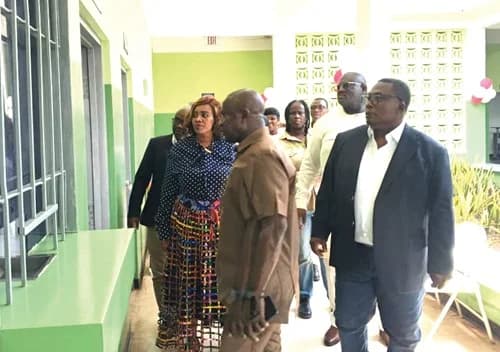
Ghana's healthcare landscape is undergoing a significant transformation as a series of corporate, parliamentary, and trust-led initiatives revitalize dormant facilities and upgrade medical equipment across the country. From the restoration of critical emergency services in the Upper West Region to the reopening of long-dormant clinics in Tema and multi-million cedi donations in Kumasi, these developments signal a concerted effort to bridge the gap in specialized medical care and emergency response. This surge in health investments highlights a collaborative approach between the private sector and government agencies to ensure that quality healthcare reaches both urban centers and rural communities.
In Kumasi, the management of the Komfo Anokye Teaching Hospital (KATH) has praised the Ghana Medical Trust Fund (GMTF) for delivering what they described as 70 years' worth of impact in just one year of service. The Trust Fund recently donated medical equipment valued at over GH₵4 million, including a state-of-the-art Olympus endoscopy tower, jaundice meters, and various anesthesia consumables. KATH CEO Dr. Paa Kwesi Baidoo noted that the new equipment replaces obsolete machinery, allowing the hospital to reallocate funds to other critical services and develop a new cardiac intervention center. Simultaneously, in Tema, the Volta Aluminium Company Limited (VALCO) has reopened its Community 4 clinic after 15 years of inactivity. VALCO Board Chairman, Ambassador Horace Nii Ayi Ankrah, announced plans to expand the facility into a 110-bed hospital to address occupational health challenges and serve the wider community.
Emergency healthcare delivery has also seen a vital breakthrough in the Lawra Municipality, where the municipal ambulance has returned to service after being grounded for over two years. The refurbishment, which cost over GH₵130,000, was made possible through the intervention of Lawra MP Bede A. Ziedeng and the Ministry of Health. In addition to the ambulance restoration, a new GH₵60,000 laboratory was commissioned at the Domwine Health Centre. These improvements are expected to drastically reduce the reliance on informal transport for pregnant women and critically ill patients in remote areas, significantly enhancing diagnostic capabilities for antenatal care and general medical emergencies.
Complementing these structural improvements is a focus on preventive care and community outreach. The Graphic Communications Group LTD (GCGL) is scheduled to host a free health screening exercise in Adabraka on September 19, 2026. Hosted at the Graphic Clinic, the event will offer medical consultations, eye and dental screenings, and the registration or renewal of National Health Insurance Scheme (NHIS) cards for priority groups. This initiative underscores the importance of corporate social responsibility in maintaining public health at the grassroots level, ensuring that even those in underserved urban pockets have access to routine check-ups and insurance coverage.
These diverse projects reflect a multifaceted approach to strengthening the national health system under the current administration of President John Mahama. By combining high-end equipment upgrades at teaching hospitals with the restoration of rural emergency services and community-based screenings, stakeholders are addressing the full spectrum of healthcare needs. However, local leaders and health officials have cautioned that the long-term success of these interventions will depend on the recruitment of additional healthcare staff and the implementation of rigorous maintenance protocols to protect these newly restored assets.
Related topic
John Mahama: Latest News & Updates →Live rates
Dollar to cedi rate →

