••
Ghana to Host Global Education in Emergencies Conference as Students and Communities Advance Through Specialized Learning
•3 min read•4 sources
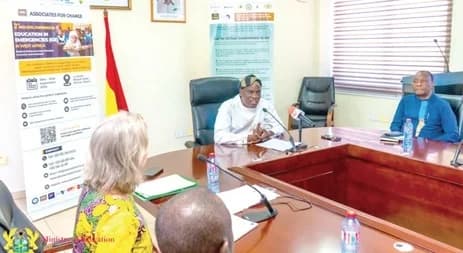
Ghana is positioning itself as a central hub for educational dialogue and youth development as it prepares to host the Second High-Level Conference on Scaling Education Initiatives in Emergencies (EiE) on September 29–30, 2026. Education Minister Haruna Iddrisu has highlighted the urgency of this summit, noting that over 72 million children globally are currently out of school due to various crises. Organized by Associates for Change and other key partners, the two-day event will focus on using policy-relevant evidence to address the educational disruptions caused by conflicts and natural disasters in West Africa. The Minister emphasized that climate change has worsened these challenges, with increasing school closures due to flooding and displacement further threatening the learning opportunities of vulnerable children.
While high-level policy discussions take center stage, academic excellence and social advocacy are being celebrated at the grassroots level through the 7th edition of the National Public Speaking Competition (NPSC). In the Ashanti Region, KNUST Senior High School, Opoku Ware Senior High School, and Yaa Asantewaa Senior High School have successfully progressed to the national stage after winning their respective local contests. This year’s competition focuses on the critical issue of drug and substance abuse among adolescents, requiring students to demonstrate critical thinking, leadership, and public speaking skills. Event organizer Samuel Atta has called for expanded government support to enhance the reach of the NPSC, which aims to empower youth to solve pressing societal challenges.
Beyond traditional classrooms, education is being utilized to improve public safety and community compliance in the Akatsi South Municipality. A recent sensitization workshop organized by the Road Safety Committee and the Driver and Vehicle Licensing Authority (DVLA) provided road users with essential information on new traffic regulations. The session covered vehicle registration, proper identification to assist law enforcement, and the legal implications of using unauthorized flashlights. This community-based education effort coincides with broader developmental strategies discussed by experts like Dr. Maxwell Ampong, who advocates for "leapfrogging." Dr. Ampong suggests that Ghana can bypass outdated developmental stages by adopting advanced technological and educational solutions directly to overcome traditional barriers to progress.
These diverse educational initiatives—ranging from international emergency management and student leadership competitions to municipal safety workshops—reflect a comprehensive national strategy toward progress. As Ghana prepares for the upcoming EiE conference, the integration of innovative development theories and community-level awareness programs remains vital. By addressing both the immediate educational barriers caused by global emergencies and the long-term need for youth empowerment and public safety, the nation seeks to build a more resilient and informed society capable of navigating the complex challenges of the 21st century.


