••
Ministry of Foreign Affairs launches ECOWAS trade awareness campaign
•2 min read•1 source
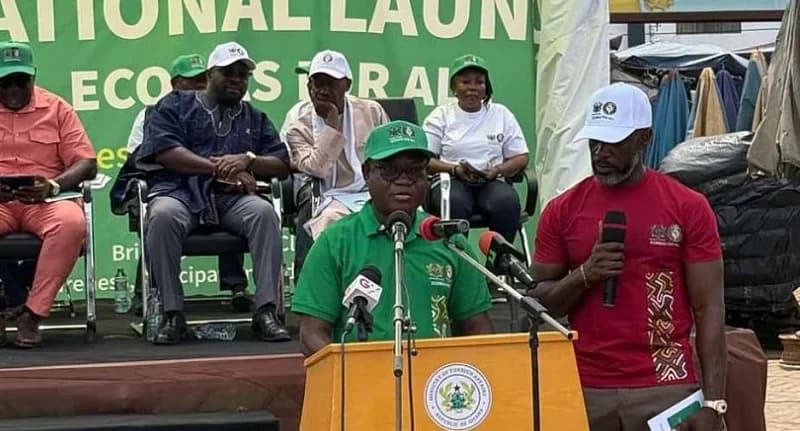
The Ministry of Foreign Affairs has officially launched a trade awareness campaign aimed at sensitising traders and transport operators on the regulations governing the Economic Community of West African States (ECOWAS). Initiated at the Madina Market in Accra, the program seeks to address the persistent challenges of border delays and the imposition of unapproved charges that hinder regional commerce. By ensuring that citizens are well-informed about their rights and the correct procedures for cross-border trade, the government intends to streamline the movement of goods and people across West Africa.
Speaking at the launch, Ambassador Francis Danti Kotia emphasized that a significant portion of the difficulties encountered at various border posts stems from a lack of knowledge regarding established trade protocols. He noted that when traders are unaware of the specific requirements and protections afforded to them under regional agreements, they become more vulnerable to exploitation and procedural bottlenecks. The campaign is designed to bridge this information gap, providing stakeholders with the tools necessary to navigate the complexities of international trade within the sub-region.
The educational sessions cover a wide range of topics, including the ECOWAS Trade Liberalisation Scheme (ETLS), protocols on the free movement of persons, and regional insurance schemes such as the Brown Card. Beyond providing information, the initiative facilitates direct engagement between the trading community and relevant state institutions. This allows traders to seek immediate clarity on ambiguous procedures and report grievances, fostering a more transparent and predictable environment for doing business across national lines.
Ultimately, the Ministry expects that this heightened awareness will lead to a significant reduction in the cost of doing business for Ghanaian entrepreneurs. By promoting a deeper understanding of the benefits of regional integration, the campaign supports the broader goal of creating a more unified economic space in West Africa. As more traders become proficient in ECOWAS regulations, the government anticipates an increase in legitimate trade volumes and improved economic cooperation with neighboring member states.
