••
Ghana Scales Up Public Health Efforts Through Food Safety Campaigns and Integrated Disease Prevention
•3 min read•4 sources
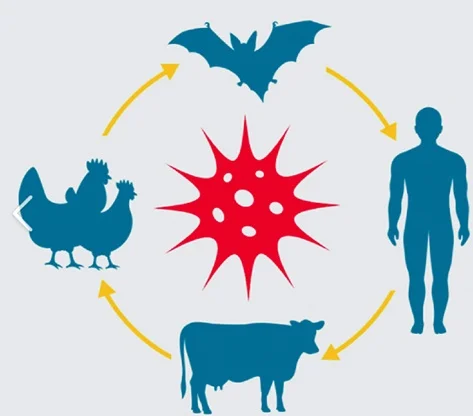
Ghana is intensifying its public health strategy by adopting more integrated and preventative measures to combat both infectious zoonotic diseases and the rising tide of non-communicable diseases (NCDs). Central to this effort is the promotion of a 'One Health' approach, which recognizes that the health of humans, animals, and the environment are inextricably linked. This shift comes as the nation grapples with significant health challenges, including the fact that NCDs now account for approximately 45 percent of all deaths in the country. To address these issues, various stakeholders are launching targeted initiatives ranging from food labeling transparency to mass animal vaccination campaigns. In a bid to curb the rise of diabetes, which currently affects 2.4 million Ghanaians, a new mass media campaign has been launched in Accra to promote Front-of-Pack Warning Labelling (FOPWL). Spearheaded by SEND Ghana and supported by the World Health Organisation, this initiative aims to empower consumers to identify packaged foods high in sugar, salt, and unhealthy fats. Health officials are emphasizing prevention over treatment, urging citizens to demand transparency in food marketing to make healthier lifestyle choices. This consumer-focused approach is mirrored in the street-food sector, where even cultural figures like the rapper Sarkodie have joined the national dialogue. Sarkodie recently sparked a debate by suggesting that simple hygiene practices—such as vendors wearing gloves, masks, and hair caps—could significantly boost customer trust and roadside sales. Simultaneously, the Veterinary Services Department has initiated a critical free rabies vaccination campaign targeting 25,000 dogs and cats in high-risk areas. Part of the World Rabies Month activities in September 2026, this program is a milestone toward Ghana’s goal of achieving zero human deaths from dog-mediated rabies by 2030. Dr. Emmanuel Allegye-Cudjoe of the Veterinary Services Department has stressed the importance of annual pet vaccinations and encouraged the public to report all animal bites immediately. This vaccination drive is a practical application of the One Health model, which seeks to eliminate fragmented responses by fostering collaboration between veterinary and human health professionals. Despite these advancements, experts warn that the success of Ghana’s health frameworks depends on consistent political and financial support. The fragmentation of current disease responses remains a challenge that requires joint surveillance systems, shared laboratory facilities, and deeper community engagement to resolve. As climate change continues to influence disease transmission patterns, the urgency for a functional, multidisciplinary health system grows. Moving forward, the government and citizens alike must commit to these systemic changes to ensure that Ghana is not only prepared for the next disease outbreak but also capable of protecting its population from the long-term impact of lifestyle-related illnesses.
Related topic
Sarkodie: Latest News & Updates →
