••
Ghana Strengthens Diplomatic Ties and Regional Integration Amid Global Governance and Immigration Policy Shifts
•3 min read•10 sources
Ghana’s diplomatic and regional agenda has taken center stage following high-level engagements with Germany, the United States, and ECOWAS, even as the global political landscape faces significant upheaval. Foreign Minister Samuel Okudzeto Ablakwa recently underscored Ghana’s commitment to international justice at a United Nations meeting, where he formally opposed attempts to abolish the International Criminal Court (ICC). He argued that the court must be strengthened to ensure accountability for crimes against humanity and reiterated calls for permanent African representation on the UN Security Council. Domestically, the Ministry of Foreign Affairs has launched the "ECOWAS for All" campaign, led by Deputy Minister James Gyakye Quayson, to increase public understanding of regional integration benefits, such as visa-free travel and trade protocols, through late 2026.
Bilateral relations with key Western partners remain stable despite administrative transitions. During a reception for German Unity Day in Accra, German Ambassador Frederik Landshöft reaffirmed a deepening partnership with Ghana focused on security, climate resilience, and technical education. This was complemented by clarifications from the US Embassy regarding the future of health assistance. Chargé d’Affaires Rolf Olson dismissed reports of an abrupt halt to aid following the closure of the USAID mission in 2025. He confirmed that $82 million is allocated for 2025 and $53 million for 2026, part of a planned multi-year phase-down aimed at supporting Ghana’s journey toward self-sufficiency in managing national health programs.
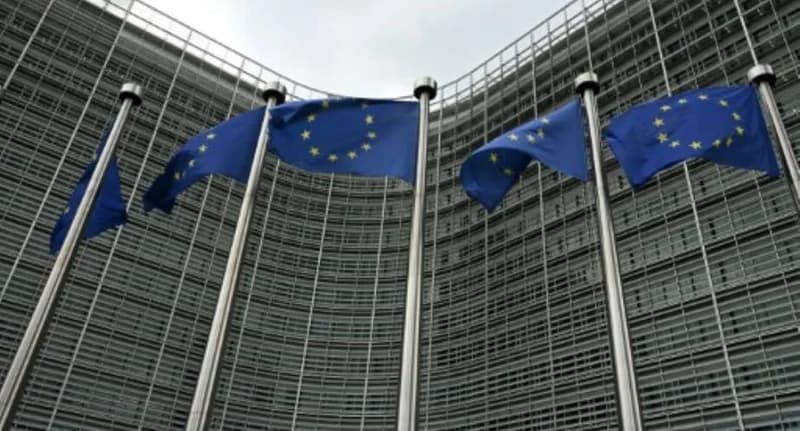
Beyond Ghana's borders, significant shifts in immigration policy are reshaping global mobility. Japan has implemented a controversial twenty-fold increase in permanent residency fees, raising the cost from 10,000 to 200,000 yen (approximately 14,844 Ghanaian Cedis). Under Prime Minister Sanae Takaichi, the new policy also introduces stricter language and financial requirements for the country's record 4.12 million foreign residents. Simultaneously, the European Union is exploring the establishment of "return hubs" in third countries to facilitate the deportation of migrants. During meetings in Luxembourg, ministers from nations including Denmark and Germany discussed utilizing locations like Rwanda for these centers, a move critics warn could create "legal black holes" for asylum seekers.
The international political arena also saw a mix of historic breakthroughs and persistent deadlocks. In Morocco, King Mohammed VI appointed Fatima Ezzahra El Mansouri as the country’s first female Head of Government, marking a milestone for women's leadership in national development. Conversely, Romania’s political crisis has deepened after Siegfried Muresan of the PNL party failed to secure the 233 parliamentary votes needed to form a new government. This second unsuccessful attempt to replace ousted Prime Minister Ilie Bolojan leaves the nation under a caretaker administration as President Nicusor Dan continues to resist calls for a snap election.

