••
Ministry of Foreign Affairs submits formal application for Ghana to join BRICS
•2 min read•2 sources
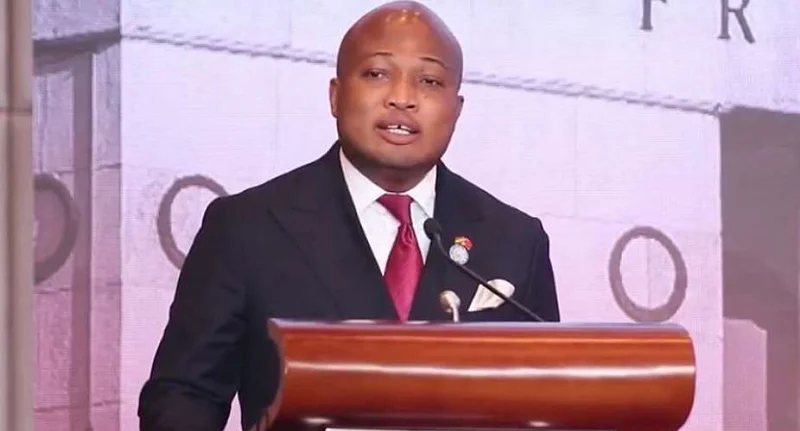
Ghana has officially applied to join the BRICS economic bloc, a move confirmed by the Ministry of Foreign Affairs as part of a strategic shift to diversify the nation's international partnerships. This decision, which has received Cabinet approval under President John Mahama, aims to expand Ghana’s trade and financing options while fostering deeper cooperation with major emerging economies in the Global South. The BRICS group, which currently includes Brazil, Russia, India, China, and South Africa among others, is increasingly viewed as a significant platform for developing nations seeking to reduce over-reliance on traditional Western economic structures. Foreign Affairs Minister Samuel Okudzeto Ablakwa has defended the application, noting that membership could significantly bolster Ghana’s development agenda by providing access to new markets and alternative investment sources. The bid has already gained traction on the international stage, with India’s External Affairs Minister, Dr. Subrahmanyam Jaishankar, expressing support for Ghana’s aspirations during a recent diplomatic visit. The government maintains that joining the bloc will complement, rather than replace, its existing bilateral relationships, allowing the country to navigate a more multipolar global economy. Despite the executive's enthusiasm, the Minority in Parliament has raised concerns regarding the potential geopolitical fallout of the move. The caucus is demanding an urgent briefing to understand the implications for Ghana’s long-standing ties with Western allies. Highlighting the complexity of such a shift, the Minority has questioned the perceived haste in seeking full membership and suggested that Ghana should consider a more gradual approach, similar to the observer-status strategy adopted by other regional peers like Nigeria. They argue that a thorough analysis of the risks to existing trade agreements and aid programs is necessary before finalizing the commitment. The path forward for Ghana’s membership now depends on a consensus among the existing BRICS member states. As the Ministry of Foreign Affairs continues to engage with its international counterparts, the domestic debate is expected to intensify within the halls of Parliament. The upcoming briefing will likely serve as a critical platform for the government to outline its strategy for balancing its new Global South ambitions with its historical economic commitments, ensuring that the transition into the bloc serves the nation's long-term fiscal and diplomatic interests.
Related topic
John Mahama: Latest News & Updates →

