••
Ghana’s Youth Sport Landscape Expands Through Black Starlets’ Morocco Tour and Grassroots Scouting Success
•3 min read•3 sources
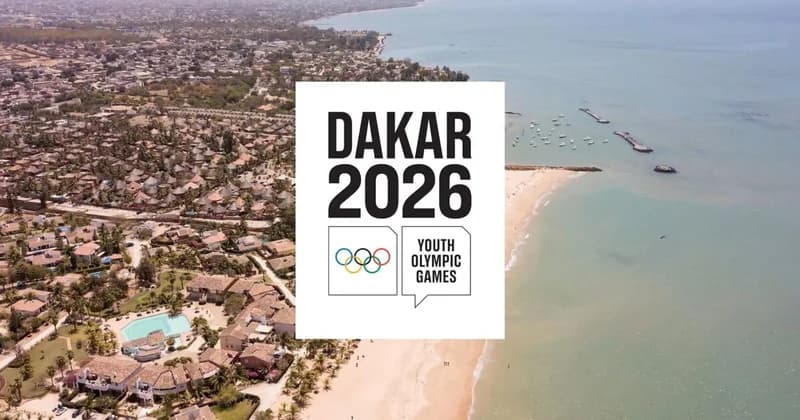
The development of youth sports in Ghana has taken center stage through a combination of international competition, grassroots scouting, and critical policy discourse. As the nation prepares its next generation of athletes, recent activities ranging from the Black Starlets' intensive friendlies in North Africa to local talent showcases at the McDan Astro-turf highlight both the immense potential of Ghanaian youth and the systemic reforms needed to sustain it. These developments come at a pivotal time as Africa prepares for the Youth Olympic Games (YOG) in Senegal, a milestone event expected to reshape the continent's role in global sport governance.
On the international front, Ghana’s U17 national team, the Black Starlets, concluded a high-stakes friendly series against Morocco in Rabat. In a hard-fought second encounter, the Starlets suffered a narrow 2-1 defeat despite a resilient performance. After falling behind early, Ghana leveled the score through a brilliant free-kick by Yaw Acheampong, holding their ground even after being reduced to 10 men for nearly half the match. A late Moroccan counter-attack in the final minutes ultimately decided the tie. The series ended in a stalemate, with each side claiming one victory, providing crucial preparation for the Black Starlets ahead of the upcoming WAFU Zone B U17 Championship.
Parallel to the national team’s efforts, the local football scene celebrated the successful conclusion of the inaugural Global Game Scouting Tournament. Emmanuel City emerged as champions after a dramatic final against Teshie Football Academy at the McDan Astro-turf in Labadi. The match ended 2-2 in regulation time before Emmanuel City secured a 3-1 victory on penalties. Organized by the Global Game Scouting Agency in partnership with UK-based ExcelsiorPro, the tournament served as a vital platform for young players to showcase their technical and tactical skills to international scouts, leveraging digital and social media to bridge the gap between local talent and professional opportunities.
While these on-field successes demonstrate Ghana’s deep talent pool, experts argue that sustainable growth requires a more robust policy framework. Dr. Frank Appiah Kusi of the University of Health and Allied Sciences emphasizes that fragmented regulations and safeguarding gaps remain significant hurdles. With the upcoming YOG in Senegal offering a blueprint for African inclusion, there is a growing call for Ghana to restructure its national sport policy to prioritize youth empowerment and parental involvement. By recognizing sport as a legitimate pathway for education and social change, Ghana can better protect its athletes and ensure that grassroots triumphs like those of Emmanuel City translate into long-term national success.


