••
Agricultural college tutors receive training in drone and digital farming
•2 min read•1 source
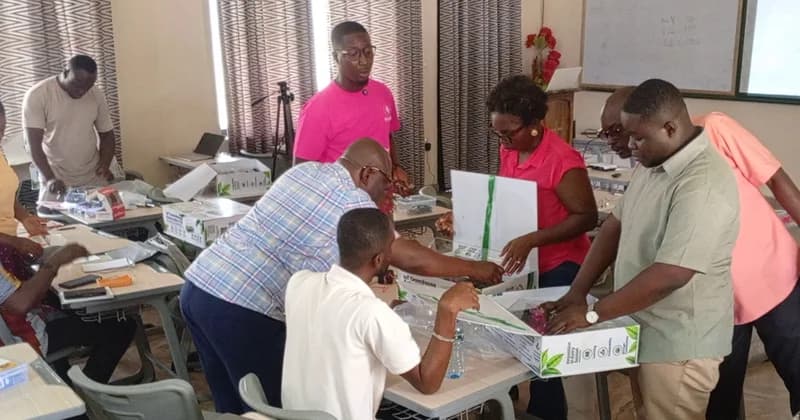
Tutors from five agricultural colleges across Ghana are undergoing intensive hands-on training in drone technology and precision farming to modernize the country’s agricultural sector. This initiative, which runs from October 11 to November 14, is designed to equip lecturers with the digital competencies necessary to train a new generation of tech-savvy agricultural graduates. The program covers educators from the Kwadaso, Wenchi, Ejura, Damongo, and Ohawu Agricultural Colleges, focusing on bridging the gap between traditional teaching methods and contemporary farming requirements.
The training program is a collaborative effort between the World Food Programme (WFP) and the Korea International Cooperation Agency (KOICA), with additional support from the Ministry of Food and Agriculture (MoFA), the Ghana-India Kofi Annan Centre of Excellence in ICT (GI-KACE), and the Commission for Technical and Vocational Education and Training (CTVET). To ensure the sustainability of the project, more than $500,000 worth of digital farming equipment has been provided to the participating institutions. This investment follows a comprehensive needs assessment aimed at identifying and addressing specific gaps in current agricultural pedagogy.
Participants are engaged in practical lessons involving drone operations and various precision farming techniques. By integrating these technologies into the curriculum, the colleges aim to transform how agriculture is taught and practiced in Ghana. The initiative seeks to empower students with the skills required to navigate and lead in a digitalized agricultural landscape. This digital transformation is expected to enhance productivity and efficiency within the sector, ultimately contributing to national food security and economic growth through the adoption of modern, data-driven farming practices.

