••
GCB Bank and Petrosol Drive Community Development as Bono East Seeks to Unlock Tourism Potential
•3 min read•3 sources
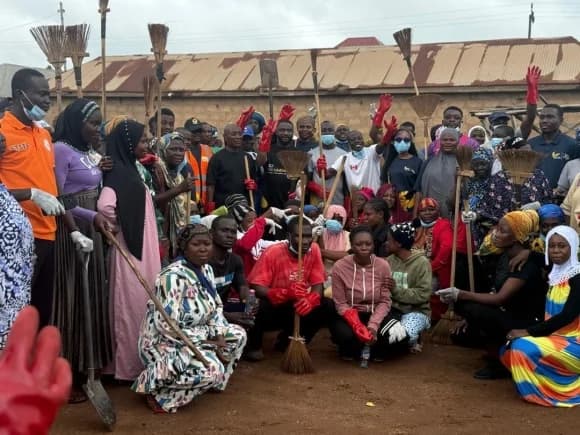
A wave of corporate social responsibility and regional development efforts is sweeping across Ghana, as major financial and energy institutions step in to support local infrastructure and health. GCB Bank PLC and Petrosol Platinum Energy PLC have recently spearheaded significant sanitation initiatives in the northern sectors of the country, while leaders in the Bono East Region are calling for a more strategic approach to converting the area's vast tourism potential into tangible economic benefits for its residents. These actions collectively highlight a growing emphasis on community-led development and the need for sustainable economic frameworks in rural and regional hubs.
In the East Gonja Municipality, employees from GCB Bank's Salaga branch recently organized a comprehensive cleanup of the Salaga Market as part of the bank's Staff Community Impact Programme. This initiative, which involves over 4,500 employees nationwide, went beyond simple cleaning; the bank also donated waste bins to the market to encourage better waste management practices and promote long-term public health. Similarly, Petrosol Platinum Energy PLC targeted the Wa Municipal Hospital for its annual CSR initiative under the theme 'Energizing Dreams.' The company focused on clearing overgrown weeds and bushy areas around the facility to prevent health hazards, with plans to follow up the exercise with a donation of essential medical equipment to address the hospital's resource constraints.
While corporate entities address immediate sanitation and health needs, the Bono East Region is grappling with the broader challenge of economic sustainability through tourism. Despite being home to iconic attractions such as the Kintampo Waterfalls and the Boabeng-Fiema Monkey Sanctuary, the region has struggled to turn these assets into reliable income for local communities. Stakeholders, including tourism experts and local officials, have pointed out that current tourism activities often lead to conflicts, such as wildlife damaging local crops without compensation. They emphasize that without better infrastructure and a stronger connection between these sites and the local economy, the region's 'untapped wealth' will continue to elude the people who live there.
These developments underscore the critical link between environmental stewardship, corporate intervention, and strategic economic planning. As GCB Bank and Petrosol demonstrate the power of direct corporate engagement in maintaining public spaces and health facilities, the situation in Bono East serves as a reminder that long-term prosperity requires more than just natural resources. Moving forward, the success of these regions will depend on a collaborative approach where corporate social responsibility is matched by government-led infrastructure development and policies that ensure local communities benefit directly from their regional assets.


