••
Deputy Minister Nyarko Ampem Urges Private Climate Investment as Ghana Advances Corporate Governance and Lending Reforms
•2 min read•5 sources
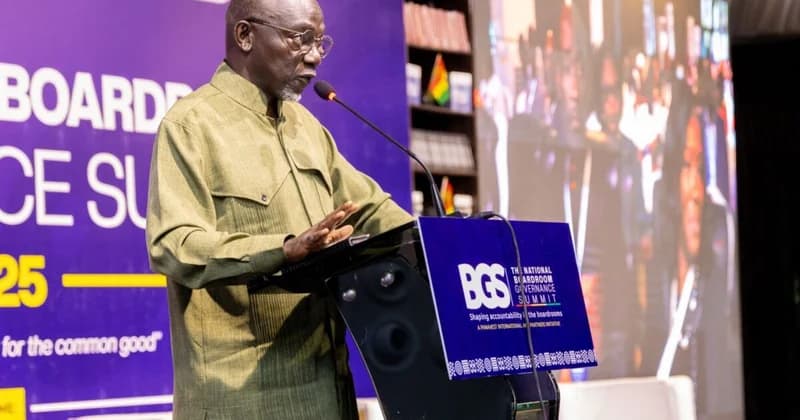
Ghana's business landscape is undergoing a significant transformation as state and private actors align to drive sustainable development through climate financing, improved regulatory frameworks, and enhanced corporate governance. At the Green Climate Fund Regional Dialogue in Accra, Deputy Minister for Finance Thomas Nyarko Ampem emphasized that public financing alone is no longer sufficient to meet the nation's environmental and economic challenges. He called for the strategic deployment of public resources to attract and mobilize private capital, positioning private investment as a cornerstone for Ghana's long-term sustainable economic growth and climate resilience.
To support this investment-friendly environment, the Bank of Ghana (BoG) and the Association of Ghana Industries (AGI) have intensified efforts to clarify the nation's credit landscape. In a recent sensitization program held in Kumasi, officials educated business leaders on the Borrowers and Lenders Act, 2020, and the operational intricacies of the Collateral Registry. By improving understanding of these legal frameworks, the BoG and AGI aim to create a more transparent and secure lending environment, which is essential for empowering local industries and encouraging private sector expansion.
The push for professional excellence extends to the boardroom, with the upcoming Boardroom Governance Summit scheduled for October 2026 at the Labadi Beach Hotel. Organized by Professor Douglas Boateng and PanAvest International, the summit will focus on the theme "Board Committees: From Oversight to Impact." The event is expected to host approximately 1,000 executives and will feature high-profile speakers, including Dr. Julius Debrah, Chief of Staff to President John Mahama. The summit aims to move the conversation beyond mere compliance, focusing on how audit, risk, and nomination committees can proactively drive organizational success across both private and state-owned enterprises.
Beyond policy and governance, the private sector's impact is being felt directly within local communities through targeted social investment. Petrosol Platinum Energy PLC recently demonstrated this commitment by donating 3,600 school supplies to the Sawla D/A Primary School in the Savannah Region. The donation, which included 3,000 exercise books and 600 bags, was designed to improve educational outcomes for students in the area. Philip Boamah Assampong, Petrosol's Head of Marketing, reiterated the company's dedication to supporting Ghana's youth and encouraged continued public patronage of indigenous businesses to facilitate further community-driven initiatives.
Related topic
John Mahama: Latest News & Updates →
