••
GARP urges safety protocols for workers exposed to heat and light
•2 min read•1 source
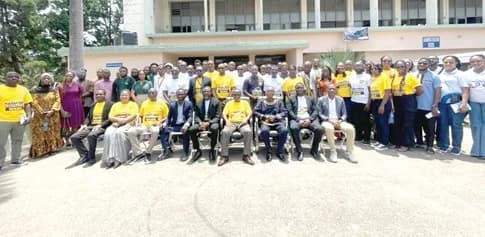
The Ghana Association for Radiation Protection (GARP) has called on employers across the country to establish and enforce strict safety protocols to protect workers from the risks of non-ionising radiation. Speaking at a symposium in Accra, experts highlighted the dangers posed by prolonged exposure to heat and light from industrial equipment, lasers, and mobile devices. The association warned that ignoring these hazards could lead to significant health complications, particularly involving permanent damage to the skin and eyes.
The symposium emphasized that while non-ionising radiation—which includes electromagnetic fields, radiofrequency from mobile phones, and infrared from industrial heat—is often less discussed than ionising radiation, its cumulative effects are serious. Experts noted that various types of equipment used in modern workplaces emit these forms of energy, requiring tailored safety procedures. To mitigate these risks, GARP urged employers to provide appropriate protective gear and ensure that workers are thoroughly trained to follow safety instructions specific to the machinery they operate.
The event was supported by key regulatory and technical bodies, including the Radiation Protection Institute (RPI), the Nuclear Regulatory Authority (NRA), the National Communications Authority (NCA), and the Ghana Investment Fund for Electronic Communications (GIFEC). These agencies are collaborating to strengthen the national framework for radiation safety. Looking ahead, GARP announced plans for several initiatives, including a project to map radiation levels within various communities and a comprehensive assessment of electromagnetic field exposure to better understand the long-term impact on public health.
