••
Ghana Association for Radiation Protection urges safety measures for workers
•2 min read•1 source
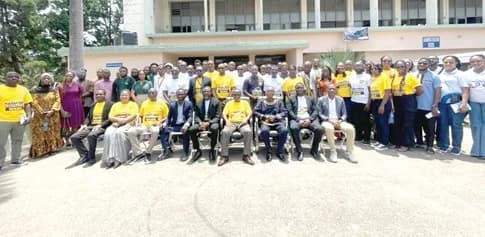
The Ghana Association for Radiation Protection (GARP) has called on employers to implement strict safety protocols to protect workers from the harmful effects of non-ionising radiation. During a symposium held in Accra, experts warned that prolonged and excessive exposure to heat and light from everyday equipment, including mobile phones and industrial lasers, poses significant health risks. The primary concerns highlighted were potential damage to the skin and eyes, which can occur if safety measures are ignored in environments where such equipment is frequently used.
The event, supported by the Radiation Protection Institute (RPI) and the Nuclear Regulatory Authority (NRA), emphasized that while non-ionising radiation lacks the energy to ionise atoms, its thermal and optical effects remain hazardous. Experts urged employers to recognize the specific types of radiation emitted by their specialized equipment and to establish tailored safety procedures. This includes the provision of appropriate protective gear and ensuring that employees are strictly adhering to safety instructions while operating high-light or heat-emitting tools.
Representatives from the National Communications Authority (NCA) and the Ghana Investment Fund for Electronic Communications (GIFEC) also participated, highlighting the relevance of these safety standards within the telecommunications and electronic sectors. The symposium served as a critical reminder that radiation safety is not limited to nuclear or X-ray facilities but is a necessary consideration for any workplace utilizing modern electronic and optical technology.
Looking forward, GARP and its partner agencies announced plans to launch new initiatives aimed at mapping radiation levels across various communities in Ghana. These projects will focus on assessing electromagnetic field (EMF) exposure to ensure that both public and occupational exposure levels remain within international safety limits. The association stressed that proactive monitoring is essential as the country continues to expand its industrial and telecommunications infrastructure.
