••
GAIA report warns Africa against waste-to-energy incineration projects
•2 min read•1 source
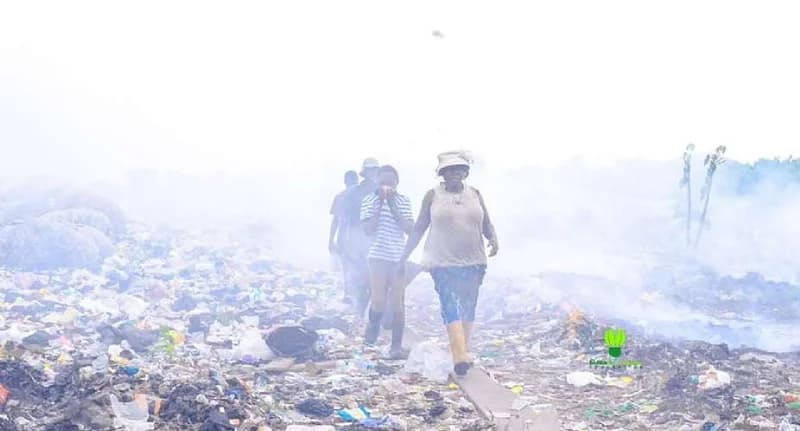
A new report from the Global Alliance for Incinerator Alternatives (GAIA) has raised significant concerns over the rise of Waste-to-Energy (WTE) incineration projects across Africa. The report cautions that these technologies, often touted as modern solutions to urban waste management, may actually aggravate the continent's environmental and economic vulnerabilities. According to GAIA, the expansion of such projects overlooks more sustainable and cost-effective alternatives while threatening to lock nations into expensive, inefficient systems.
The GAIA report identifies 15 active or proposed incineration projects spread across ten African nations, including Ethiopia. It highlights a worrying trend where governments are increasingly endorsing these capital-intensive technologies despite their potential harm. However, the report argues that incineration is fundamentally ill-suited for the African context. Because a vast majority of the waste generated on the continent is organic and contains high moisture levels, it does not burn efficiently, often requiring additional fuel and significantly increasing operational costs.
Beyond the technical inefficiencies, the alliance points to the severe financial burden these projects place on developing economies. The high capital expenditure and maintenance costs associated with WTE facilities often lead to long-term debt without delivering the promised energy or waste reduction benefits. Furthermore, the report warns of the environmental fallout, noting that incineration can release harmful pollutants and undermine local efforts to establish a circular economy by destroying materials that could otherwise be recovered.
To address these challenges, GAIA is urging African governments to pivot toward comprehensive zero-waste strategies. These recommendations focus on waste reduction, reuse, recycling, and large-scale composting programs that are better aligned with the composition of local waste streams. By prioritizing these community-led and ecologically sound practices, the report suggests that African nations can achieve more resilient and sustainable waste management outcomes while protecting public health and the environment.

