••
Greenpeace Africa links global fashion brands to textile waste in Accra
•2 min read•1 source
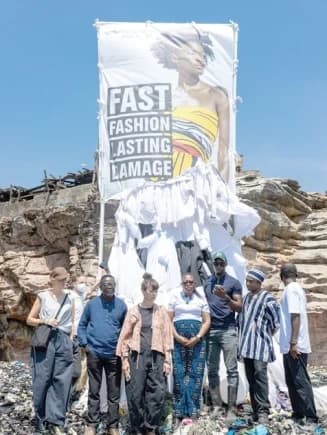
Greenpeace Africa has released a brand audit identifying major international retailers, including H&M, Primark, and Marks & Spencer, as primary sources of textile pollution in Accra. The findings reveal that approximately 40% of second-hand clothing imported into Ghana—locally known as "obroni wawu"—is unusable waste that immediately enters the environment. This influx of discarded garments is creating significant environmental and health hazards in local markets and along the coastline, overwhelming existing waste management infrastructure.
The organization’s audit specifically examined 201 discarded garments collected from critical locations, including James Town Beach and the Kantamanto Market, which serves as West Africa's largest second-hand clothing hub. Investigators discovered alarming levels of synthetic fibers in the discarded clothing, which do not biodegrade and contribute to long-term environmental degradation. When these textiles are not clogging drainage systems or washing up on beaches, they are often burned in open-air pits, releasing toxic fumes that pose severe respiratory risks to residents and market traders.
In response to these findings, Greenpeace Africa is calling for a ban on the importation of "dead waste" and urging the Ghanaian government to implement stricter regulations for fashion brands to address their environmental impact. The organization advocates for a shift in global fashion business models and greater support for Ghana's local textile and design industries to reduce dependency on poor-quality imports. By holding global brands accountable for the full lifecycle of their products, environmentalists hope to mitigate the waste crisis currently affecting Accra's natural ecosystems.