••
Fiji Declares National Public Health Emergency as HIV Infections Surge Among Adults
•2 min read•1 source
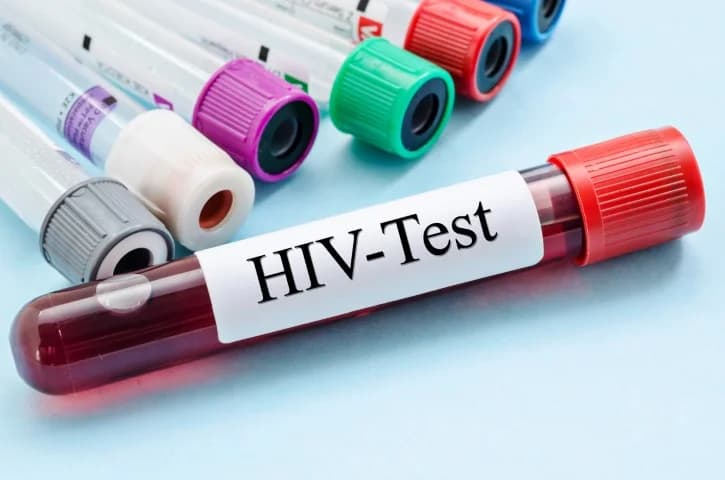
Fiji has officially declared a national public health emergency following a dramatic spike in HIV infections across the island nation. Recent data reveals that one in every 60 adults in Fiji is now living with the virus, a significant increase from the prevalence of one in 167 reported just five years ago. In 2025 alone, health officials recorded 2,016 new diagnoses, a figure that stands in stark contrast to the declining infection rates observed in many other parts of the world.
The current epidemic is largely driven by a burgeoning intravenous drug problem, exacerbated by Fiji's role as a transit route for international narcotics trafficking. Health authorities report that approximately half of the new HIV diagnoses are linked to injecting drug use, with needle-sharing becoming a prevalent factor in the spread of the virus. This shift in transmission dynamics has complicated public health efforts and introduced new challenges for a healthcare system already under pressure.
The crisis is particularly devastating for vulnerable populations, especially pregnant women and their newborns. Approximately one in 50 pregnant women in Fiji is now living with HIV, leading to an increase in mother-to-child transmission incidents. Health Minister Lalabalavu has underscored the urgency of the situation, calling for coordinated national action to protect these groups and prevent further generational impacts of the virus.
Despite the severity of the surge, access to life-saving care remains alarmingly low. Only 39% of those living with HIV in Fiji are currently aware of their status, and fewer than 25% are receiving antiretroviral treatment. Deep-seated social stigma and cultural barriers continue to prevent many individuals from seeking testing or adhering to treatment regimens. In response, the Fijian government is intensifying public awareness campaigns and expanding testing facilities to bridge this critical healthcare gap.
Looking forward, the Fijian government is mobilizing a comprehensive response that includes enhanced regional cooperation to address the underlying issues of drug trafficking and healthcare vulnerabilities. International health organizations have welcomed the emergency declaration, emphasizing that sustained global attention and resources are necessary to contain the epidemic. The national strategy now focuses on de-stigmatizing the disease and ensuring that testing and treatment are accessible to all citizens as the nation works to reverse this alarming trend.

