••
FAO strengthens Ghana disaster preparedness against El Niño risks
•2 min read•1 source
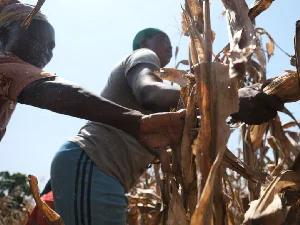
The Food and Agriculture Organization (FAO) of the United Nations has initiated a strategic collaboration with national and local partners in Ghana to strengthen the country's disaster risk reduction framework. This initiative is primarily focused on addressing the growing risks associated with the strengthening El Nio weather phenomenon, which threatens to disrupt agricultural productivity. By fostering closer ties with Ghanaian stakeholders, the FAO seeks to build a more resilient infrastructure capable of absorbing climate-induced shocks before they escalate into full-scale emergencies.
The partnership places a significant emphasis on the enhancement of climate information services and the scaling up of anticipatory action. This involves the systematic collection and analysis of meteorological data to provide early warnings that are both accurate and accessible to smallholder farmers. By improving these systems, the FAO and its partners aim to empower local communities to take preemptive measures, such as adjusting planting schedules or implementing water conservation techniques, in response to forecasted El Nio impacts. This shift toward anticipatory action marks a move away from reactive disaster management toward a more proactive, preventative strategy.
The collaboration involves a diverse range of stakeholders, including government ministries and local administrative bodies, to ensure that disaster preparedness is integrated into national development goals. The risks posed by El Nio in Ghana often manifest as erratic weather patterns that can lead to both water scarcity and unseasonal flooding, making comprehensive early warning systems essential for food security. Through this initiative, the FAO is working to ensure that the necessary technical tools and financial mechanisms are in place to support rural livelihoods during periods of environmental stress.
As climate volatility becomes a more persistent challenge for West African nations, the efforts in Ghana serve as a vital model for regional disaster preparedness. The FAO’s commitment to strengthening local capacities ensures that the benefits of improved climate monitoring reach the most vulnerable populations. Continued investment in these early warning networks and anticipatory frameworks will be crucial for protecting Ghana’s agricultural sector and ensuring long-term economic stability in the face of an evolving global climate.


