••
Ethiopian Federal Forces Advance on Mekelle as Tigray Rebels Retreat
•2 min read•4 sources
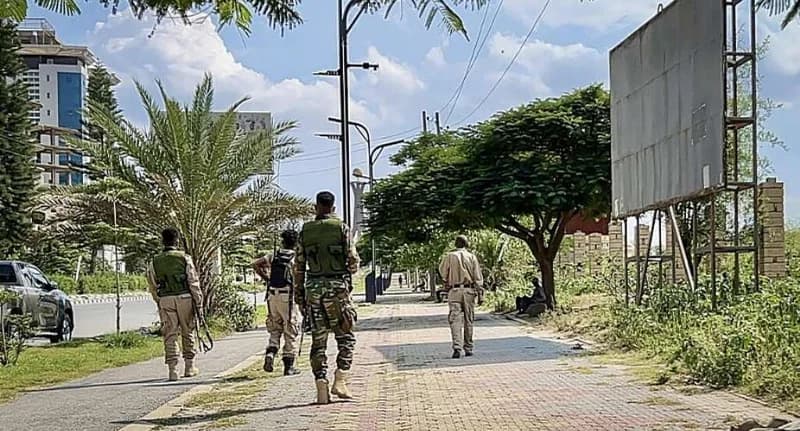
Ethiopia's Tigray region has entered a volatile new phase of conflict as the Tigray People's Liberation Front (TPLF) reportedly began abandoning Mekelle, the regional capital, in the face of a significant federal government offensive. This latest escalation follows the resumption of hostilities on September 23, 2023, when TPLF forces launched attacks into the neighboring Afar and Amhara regions. In a swift counter-offensive, Ethiopian federal forces and pro-government militias have successfully pushed rebel fighters back, culminating in the strategic capture of the Mekelle Alula Aba Nega Airport, located just 10 kilometers from the city center. The rapid shift in control has raised urgent concerns regarding a return to the full-scale civil war that devastated the nation between 2020 and 2022, a conflict that has already claimed more than 600,000 lives. Within Mekelle, the situation is increasingly dire as residents report a total vacuum of security. Witnesses indicate that police stations and government offices have been left unprotected, sparking fears of widespread looting and lawlessness as the rebels retreat. Despite the loss of territorial control, TPLF leadership has suggested a transition to a protracted guerrilla campaign, framing the struggle as one with significant regional stakes including control over the Red Sea. Meanwhile, the conflict is spilling over into the capital, Addis Ababa, where reports of drone strikes have heightened the sense of national crisis and instability. On the international stage, the renewed fighting has severely strained Ethiopia's diplomatic relations. The government has expelled Eritrean diplomats following accusations that Eritrea is providing support to the TPLF, while tensions with Egypt continue to simmer over the controversial Grand Ethiopian Renaissance Dam. The African Union has voiced deep concern over these escalating regional tensions, which threaten to destabilize the Horn of Africa further. As federal forces close in on Mekelle, the humanitarian and political future of the region remains uncertain, with the international community calling for restraint to prevent another catastrophic humanitarian disaster.


