••
Mali Retakes Strategic City of Kidal While Humanitarian Crises Worsen in Ethiopia and Sudan
•3 min read•3 sources
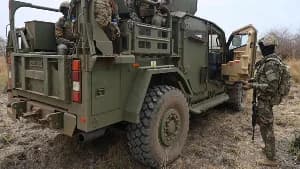
The African continent faces a surge in military activity and humanitarian distress as the Malian army seizes the strategic northern stronghold of Kidal, while renewed clashes in Ethiopia and Sudan inflict heavy tolls on civilian populations. In Mali, the capture of Kidal marks a significant shift in the decade-long conflict, driven by a new alliance with Russian paramilitary forces. Simultaneously, the Horn of Africa is witnessing a tragic resurgence of violence in the Tigray region, where children are increasingly bearing the brunt of renewed hostilities. Meanwhile, the United Nations has issued a stern warning over escalating drone strikes in Sudan, emphasizing the lack of a military resolution to the ongoing instability. In northern Mali, the national army successfully entered Kidal after it was abandoned by Tuareg separatists of the Azawad Liberation Front (FLA), who had held the city for approximately five months. The FLA described their departure as a strategic withdrawal, citing disproportionate attacks by the Malian military and its Russian allies, the Africa Corps. This development underscores Mali's pivot away from traditional Western security partners like France toward Russian military support. While the government celebrates the retaking of the city, the offensive has been marred by reports of significant casualties among both combatants and civilians, continuing a cycle of violence that has plagued the nation since 2012. Further east, the Tigray region of Ethiopia is grappling with the devastating aftermath of renewed fighting between the Tigray People’s Liberation Front (TPLF) and federal forces. Since hostilities reignited on September 23, medical facilities such as Ayder Hospital have been overwhelmed by a steady influx of wounded civilians, many of whom are children. Among the victims is 10-year-old Iyerusalem, a double-amputee who lost her brother and family livestock in recent shelling. Medical professionals warn that inadequate resources and continued drone and artillery strikes are exacerbating a situation that, while not yet at the scale of the 2020-2022 war, remains critical for the region's most vulnerable inhabitants. The regional instability extends to Sudan, where the United Nations Human Rights Council has condemned a series of drone strikes and targeted attacks on non-combatants. The UN's call for an immediate truce follows a recent air attack in North Kordofan that struck a World Food Programme (WFP) supply truck, resulting in the death of a staff member. Council members emphasized that there is no military solution to the Sudanese crisis and urged all factions to prioritize humanitarian access. As conflict zones across the continent intensify, the international community remains focused on the urgent need for accountability and the restoration of peace to prevent further regional destabilization.


