••
Ethiopian Rebels Form New Coalition as Sudan and Mali Face Escalating Conflict and Humanitarian Crises
•3 min read•3 sources
Across the African continent, a surge in armed conflict and political volatility is reshaping the geopolitical landscape, with significant developments reported in Ethiopia, Sudan, and Mali. In a major challenge to the Ethiopian government, seven armed opposition factions have joined forces to form the Ethiopian Peoples’ Forces Alliance for Survival. This new coalition, which includes prominent groups such as the Oromo Liberation Army (OLA) and the Tigray People’s Liberation Front (TPLF), aims to overthrow Prime Minister Abiy Ahmed’s administration. Spanning half of the country’s regional states, the alliance cites widespread violence, poverty, and a desire for democratic self-determination as its primary motivations. Despite historical rivalries, the groups have pledged military and political cooperation to establish a transitional administration, while federal authorities have already begun cracking down on media outlets broadcasting the coalition's announcements.
Simultaneously, the humanitarian situation in Sudan has reached a critical tipping point as the nation grapples with a devastating food crisis and ongoing civil war. Since the outbreak of hostilities between the Sudanese army and the paramilitary Rapid Support Forces (RSF) in April 2023, the conflict has paralyzed the country’s infrastructure and agricultural output. Historians and humanitarian activists warn that the current trajectory is eerily reminiscent of past famine-induced tragedies that have plagued the nation. The situation has worsened significantly since early 2024, raising alarms that Sudan may be on the verge of a repeat of historical horrors if immediate international intervention and a cessation of hostilities are not achieved.
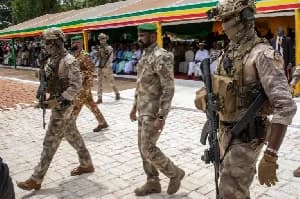
In West Africa, Mali is facing its own set of internal pressures as it marks its independence amidst a worsening security environment. The capital, Bamako, recently experienced a fuel blockade that exposed the extreme vulnerability of the nation’s supply routes. This logistics crisis coincides with increased collaboration among armed groups in northern Mali against the central government. Specifically, the Al Qaeda-linked group Jama’at Nusrat al-Islam wal-Muslimeen (JNIM) has intensified its operations, including a recent attack on an army camp in central Mali. These developments have heightened fears regarding the government’s ability to maintain territorial control and provide basic services to its citizens.
These interconnected crises highlight a broader trend of regional instability characterized by shifting alliances and the erosion of state authority. In Ethiopia, the emergence of a broad-based rebel coalition threatens to reignite large-scale internal warfare, while the situation in Sudan demonstrates the catastrophic humanitarian cost of prolonged military stalemate. In Mali, the combination of insurgent attacks and economic blockades underscores the fragility of transitional governments in the Sahel. Together, these events present a complex challenge for the African Union and international mediators as they seek to navigate a continent increasingly defined by fragmented power structures and urgent humanitarian needs.


