••
Ethiopian Rebel Groups Form Anti-Government Alliance as Sudan’s Humanitarian Crisis Worsens
•2 min read•2 sources
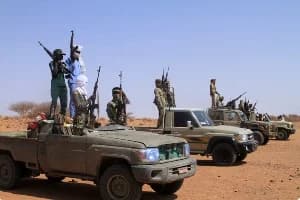
Conflict and political instability are intensifying across East Africa as new rebel alliances form in Ethiopia while Sudan’s humanitarian crisis reaches a breaking point. In Ethiopia, seven major armed groups have announced a unified front aimed at unseating the federal government. Simultaneously, in neighboring Sudan, the collapse of successive humanitarian truces has left millions at risk, with the United Nations warning that the country’s aid infrastructure is on the verge of total failure. The new Ethiopian coalition brings together historically disparate and often clashing entities, including the Tigray People’s Liberation Front (TPLF), the Oromo Liberation Army (OLA), and Fano militias. Led by Fano commander Zemene Kasse, the alliance seeks to establish a transitional government. Amanuel Assefa, TPLF’s vice president, articulated the group's objective as a collective effort to address the nation’s political deadlock. However, military analysts remain cautious, pointing out that the Ethiopian government’s robust military resources and the deep-seated historical animosities between these rebel factions may undermine the alliance's long-term viability. While Ethiopia faces a shifting political landscape, Sudan remains gripped by a devastating civil war where diplomatic efforts to secure peace have repeatedly faltered. Despite pressure from the international community, including recent mediation attempts by the United States, temporary ceasefires intended for the delivery of life-saving aid have failed to hold. The UN reports that the humanitarian system is nearing collapse as fighting intensifies, leaving civilians caught in the crossfire without access to basic necessities or medical care. These developments signal a precarious period for the Horn of Africa. The formation of the Ethiopian alliance suggests a potential escalation of internal conflict, while the stalemate in Sudan highlights the limitations of international diplomacy in the face of entrenched military interests. As regional leaders and global powers monitor these volatile situations, the immediate focus remains on the survival of civilian populations and the prevention of a wider regional conflagration.


