••
Ethiopia border clashes displace 50,000 people in Moyale
•2 min read•1 source
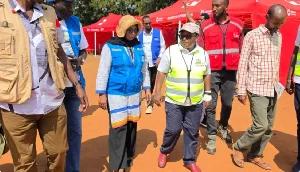
Over 50,000 people have been forced to flee their homes in the Moyale region of Ethiopia following a surge in deadly border clashes. The violence has resulted in multiple civilian fatalities and the widespread destruction of property, exacerbating a humanitarian crisis in a region already prone to instability. Local reports indicate that the conflict has intensified, leaving thousands of families without shelter or basic necessities as they seek safety away from the fighting.
Eyewitnesses have shared harrowing accounts of the violence that has gripped the area. Hawa Hassan, a resident who was forced to flee after her home was destroyed, recounted the indiscriminate nature of the attacks. She described the tragic death of a 13-year-old girl who was shot while sitting near a wall, clarifying that the child was a bystander caught in the crossfire rather than a participant in the underlying political or territorial disputes. Such accounts highlight the severe impact on non-combatants, particularly children, who are increasingly vulnerable as the security situation deteriorates.
The clashes in Moyale are part of a broader pattern of ethnic and territorial tensions that have plagued the border regions. While the specific triggers for this latest round of violence often involve disputes over flags or administrative boundaries, the humanitarian toll is immediate and severe. The displacement of over 50,000 individuals places a significant strain on local resources and international aid agencies, who must now navigate a volatile security environment to provide emergency assistance.
As the conflict persists, there are growing calls for a peaceful resolution to prevent further loss of life and displacement. The destruction of homes and the trauma inflicted on survivors like Hassan underscore the urgent need for a cessation of hostilities and a concerted effort to address the root causes of the instability in the Moyale area. Without a stable security framework, the cycle of violence and displacement is likely to continue, threatening the long-term stability of the region and the welfare of its inhabitants.
