••
Ethiopian Federal Forces Capture Mekelle as Diplomatic Ties with Eritrea Sever Amid Regional Crisis
•2 min read•7 sources
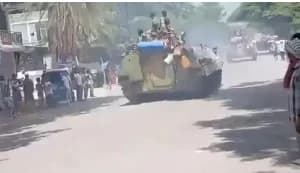
Ethiopian federal forces have successfully seized control of Mekelle, the regional capital of Tigray, marking a major turning point in the renewed hostilities against the Tigray People’s Liberation Front (TPLF). The TPLF announced a strategic withdrawal from the city following a fresh offensive that began in late September, prompting fears of a return to the full-scale civil war that devastated the region between 2020 and 2022. While federal troops are now patrolling the streets and restoring basic communication services, TPLF leader Debretsion Gebremichael has vowed to continue operations through guerrilla warfare, signaling that the conflict may be far from over.
The military escalation has triggered a severe diplomatic crisis in the Horn of Africa, most notably the formal severing of ties between Ethiopia and Eritrea. Addis Ababa has closed its embassy in Asmara and expelled ten Eritrean diplomats, citing significant security threats. This rupture comes amid allegations that Eritrea is backing TPLF rebels—claims Asmara denies—and as leaders from Egypt, Somalia, Sudan, and Eritrea convene in Alamein, Egypt. This mini-summit aims to address the growing risk of a wider regional war, as Ethiopia’s neighbors watch the deteriorating internal security situation with increasing alarm.
In response to the shifting frontlines, the United States and the African Union have issued urgent calls for restraint and dialogue, emphasizing the high human cost of previous fighting. Within Ethiopia, the atmosphere remains a complex mix of military triumph and civilian anxiety. In Addis Ababa, tens of thousands of Oromo people gathered for the Irreecha thanksgiving festival, using the platform to advocate for national peace. Meanwhile, in Mekelle, residents report a cautious return to activity; while some shops have reopened as communications resume, many fear a prolonged period of lawlessness or a protracted insurgency as the TPLF shifts its tactics.


