••
Eduwatch and Stakeholders Demand Reform as 55,000 Candidates Miss 2026 SHS Placement
•3 min read•6 sources
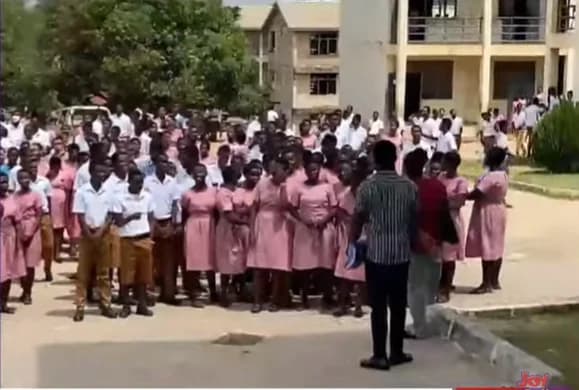
The 2026 Computerised School Selection and Placement System (CSSPS) exercise has sparked a national debate on educational equity after approximately 55,000 candidates were left unplaced in Senior High Schools (SHS) and Technical and Vocational Education and Training (TVET) institutions. Kofi Asare, the Executive Director of Africa Education Watch (Eduwatch), has led the call for the government to abolish the F9 grade barrier for core subjects like English and Mathematics. Asare argues that every Ghanaian child who completes basic education should have the right to advance to secondary school regardless of their Basic Education Certificate Examination (BECE) results, emphasizing that current disqualifications disproportionately affect students from deprived regions where educational resources are often limited.
Adding to the critique of the placement process, Dr. Kingsley Agyemang, Member of Parliament for Abuakwa South, described the government's current policy of allowing students to select schools after receiving their results as a "backward approach." He noted that this change has created a significant mismatch between student demand and available vacancies, evidenced by over 313,000 candidates competing for only 76,417 spots in Category A institutions. While the Ministry of Education maintains that there are over 859,000 total vacancies across all categories, Agyemang and other critics argue that the policy failure was predictable and has caused unnecessary frustration for parents and candidates.
From a social and academic perspective, other experts have warned of the long-term consequences of leaving thousands of students without immediate placements. Angel Carbonu, former President of NAGRAT, expressed concern that unplaced candidates risk being left on the streets without opportunities for further education or formal remedial options. Meanwhile, Dr. Charles Aheto-Tsegah, former Director-General of the Ghana Education Service, cautioned against labeling these 55,000 students as "failures." He called for a more comprehensive evaluation system that assesses a candidate’s overall academic potential rather than focusing narrowly on individual subject grades, which he believes would ensure more equitable treatment.
In response to the placement crisis, the Ministry of Education has opened a self-placement portal for candidates who did not secure their preferred schools and established resolution centres to handle complaints. The Ministry has emphasized that the placement process remains free and has warned the public against unauthorized admissions or payments. As the 2026 academic year approaches, the pressure continues to mount for the government to formalize a more inclusive Free SHS framework that aligns with international standards for universal secondary access and eliminates the rigid grading barriers currently hindering thousands of Ghanaian youth.
Related topic
Ghana Education Service (GES): Latest News Today →

