••
Durban Anti-Immigration Protests: Hundreds Demand Mass Deportations Amid Economic and Security Concerns
•2 min read•1 source
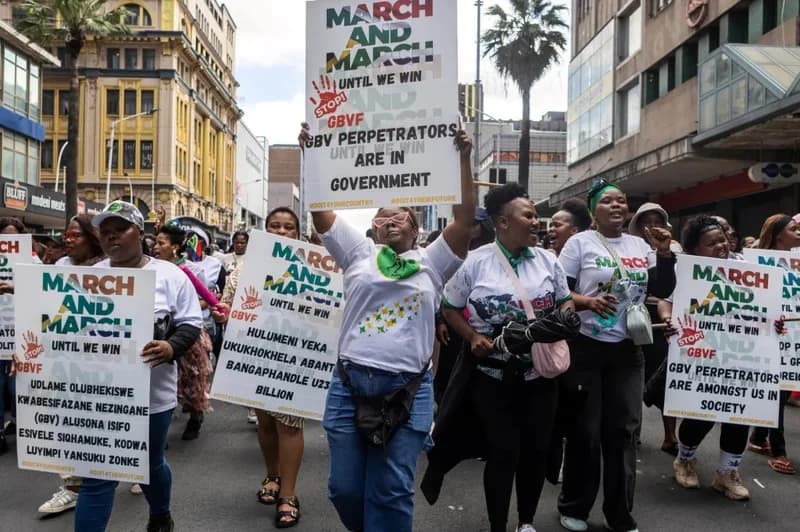
Hundreds of protesters marched through the streets of Durban, South Africa, on October 4, 2023, demanding that the government take more aggressive action against illegal immigration. Organized by the "March by March" group, the demonstration followed an unofficial September 30 deadline set by the organizers for undocumented individuals to leave the country—a mandate that South African authorities have explicitly declined to recognize. The march reflects a period of heightened social tension as citizens voice mounting frustration over what they perceive as the socio-economic consequences of porous borders and unauthorized residency.
Participants in the demonstration, some of whom carried traditional Zulu weapons and sang cultural songs, highlighted a range of grievances including high unemployment rates, rising crime, and the perceived overextension of public infrastructure and resources. Jacinta Ngobese-Zuma, leader of the March by March group, emphasized that the government must become more responsive to public concerns regarding national sovereignty and internal security. While the protest remained peaceful under heavy police supervision, the atmosphere was charged with the memory of previous anti-migrant demonstrations earlier in the year that escalated into violence and necessitated mass repatriations.
Beyond the primary focus on immigration, the Durban march served as a platform for a broader social outcry, particularly concerning femicide and gender-based violence (GBV). Protesters linked their demands for law and order to the protection of women, citing recent high-profile killings in regions like Ekurhuleni. This intersectionality suggests that the anti-immigration sentiment is deeply rooted in a wider sense of public insecurity and a perceived failure of the state to maintain safety and economic stability for its citizens.
The intensification of anti-migrant sentiment and the resulting increase in deportations have created significant diplomatic friction between South Africa and its continental neighbors. Relations with Nigeria, in particular, have come under strain as South African authorities attempt to balance domestic political pressure with their commitments to regional diplomacy and African unity. As the government continues to grapple with these complex issues, the Durban protests highlight a growing divide between grassroots movements demanding immediate exclusionist policies and a state trying to manage a volatile humanitarian and diplomatic landscape.
