••
Design and Technology Institute Partners with Ghana TVET Service to Revitalize Vocational Training and Youth Employment
•2 min read•9 sources
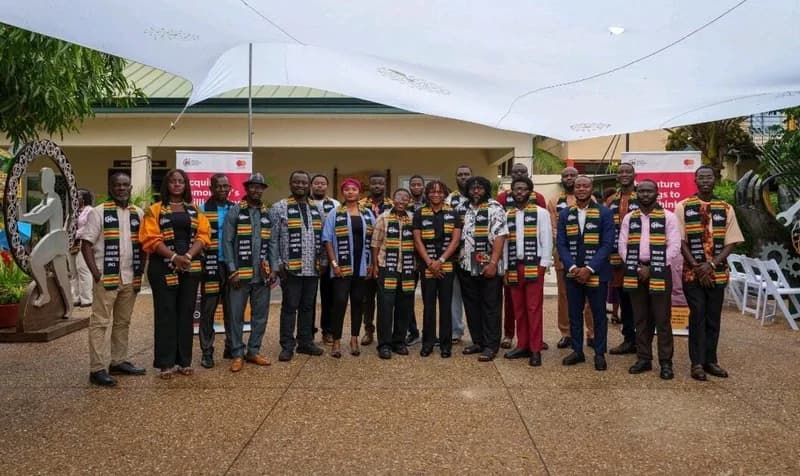
On September 15, 2026, the Ghana Technical and Vocational Education and Training (TVET) Service and the Design and Technology Institute (DTI) signed a landmark Memorandum of Understanding (MoU) aimed at bridging the gap between technical education and industry requirements. This strategic collaboration, formalized in Accra, seeks to enhance the employability of Ghanaian youth by modernizing training systems and improving industry linkages across more than 235 TVET institutions nationwide. The partnership focuses on a comprehensive overhaul of the sector, moving toward a unified approach that prioritizes institutional capacity building and the alignment of curricula with evolving labor market needs.
The MoU outlines several key initiatives, including the assessment of TVET institutions, teacher upskilling, and the promotion of dual apprenticeship pathways. Engr. Dr. Eric Kofi Adzroe, Director-General of the Ghana TVET Service, emphasized that such collaborations between the government and private sector are vital for making vocational training more attractive to young people and supporting Ghana’s broader economic transformation. The agreement also prioritizes the development of digital systems for skills data and the harmonization of qualifications to ensure that Ghanaian graduates meet international benchmarks and are recognized across the African continent.
Complementing this national partnership, DTI has inaugurated its Academic Council and Industry Advisory Committees at its Awalete Campus in East Legon to mark the start of the 2026/2027 academic year. The Academic Council will oversee educational integrity and compliance with national and international standards, while approximately 40 industry professionals have been inducted into advisory committees covering Multimedia, Welding and Fabrication, CAD-CAM, and Entrepreneurship. Constance Swaniker, Founder and President of DTI, highlighted that this structured engagement is designed to produce graduates who possess not only technical proficiency but also a "Precision Quality" mindset and the professional behavior required for success in the workplace.
This collaborative effort represents a significant step toward aligning Ghana’s workforce with the demands of the infrastructure, manufacturing, construction, and energy sectors. By integrating industry participation directly into training programs and fostering a culture of professionalism, the GTVETS-DTI partnership seeks to create a sustainable ecosystem for job creation. As Ghana continues its industrialization drive, such initiatives are expected to provide the skilled labor necessary to compete in the global job market and drive long-term economic growth.


