••
Democratic Republic of Congo Ebola outbreak claims over 5,000 lives
•2 min read•2 sources
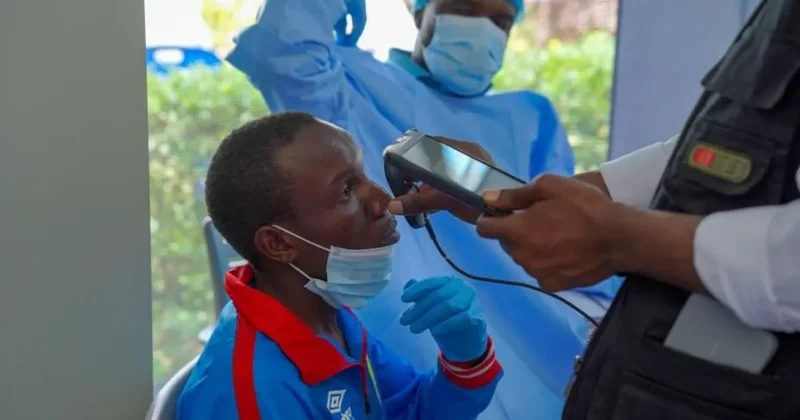
The Democratic Republic of Congo (DRC) is grappling with the deadliest Ebola outbreak in its history, with official figures confirming that more than 5,000 people have died from the virus. Since the outbreak was first detected in May, there have been over 10,300 confirmed cases across eight provinces. The World Health Organization (WHO) has raised the alarm over the scale of the crisis, which is being driven by the Bundibugyo species of the virus—a strain for which there is currently no effective vaccine or specialized treatment.
The crisis is centered in the Ituri province, an area already destabilized by long-standing conflict. This volatile environment has severely hampered containment efforts, as health workers struggle to reach affected communities safely. The WHO and local health authorities have noted that violence against medical personnel has become a significant barrier, with several incidents of attacks on responders reported since the start of the intervention. These security challenges have made it difficult to implement the necessary control measures and carry out essential community outreach to educate the population about the disease.
Beyond the borders of the DRC, the outbreak has begun to take on a regional dimension. Confirmed cases have been reported in neighboring Kenya and Uganda, as well as in Nigeria, prompting several countries to implement travel restrictions to curb further transmission. The lack of a preventive vaccine for the Bundibugyo strain makes these containment and border control measures even more critical. Health experts are calling for a massive scaling up of international support to provide the resources needed to manage the high caseload and prevent the virus from spreading further across the continent.
As the death toll continues to rise, the WHO is emphasizing a multi-pronged approach that includes enhanced surveillance, better access to conflict-affected regions, and deeper community engagement. Without a medical cure, the response remains focused on early detection and isolation to break the chain of transmission. The international community is being urged to provide not only medical aid but also security support to ensure that health teams can operate without the threat of violence in what has become the nation’s most devastating public health emergency.
