••
DR Congo Ebola deaths surpass 5,000 in country's deadliest outbreak
•2 min read•2 sources
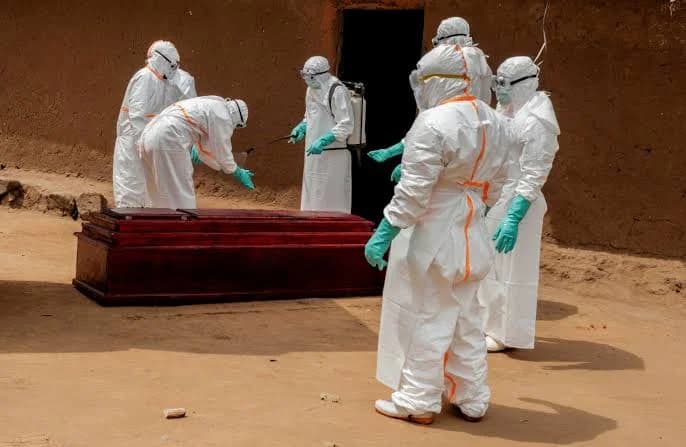
The Democratic Republic of Congo has reached a devastating milestone as the death toll from its current Ebola outbreak exceeded 5,000 people. Official data from the Ministry of Health indicates that 5,026 fatalities have been recorded out of 10,351 confirmed cases. This represents a case fatality rate of approximately 48.6%, making it the deadliest outbreak in the nation's history and the second-largest recorded globally, surpassed only by the 2014–2016 West Africa epidemic.
Since being declared in May, the epidemic has spread across 67 health zones in eight provinces, with the epicenter located in the conflict-ridden provinces of North Kivu and Ituri. Health authorities are facing a unique challenge as this particular outbreak involves the Bundibugyo strain of the virus, for which there is currently no specific targeted vaccine. The geographical spread has also raised alarms among experts about the government's capacity to control the virus as cases are reported in other regions.
Efforts to contain the virus are being severely hampered by insecurity and domestic instability. In the eastern regions, violent conflict and public distrust have led to attacks on health workers and treatment centers, while severe strikes among healthcare workers over delayed payments have further weakened the response. To address the crisis, authorities are calling for improved community outreach and regular payments for frontline responders to ensure the effective management of the disease.
