••
DR Congo Ebola Outbreak Surpasses 4,000 Deaths Amidst Ongoing Conflict and Resource Shortages
•2 min read•2 sources
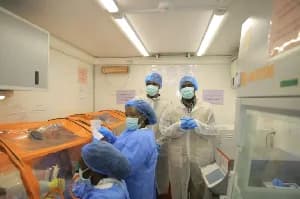
The Democratic Republic of Congo (DRC) is currently grappling with the most severe Ebola outbreak in its history, as official figures confirm that the death toll has surpassed 4,000. Since the virus was first detected in mid-May, the epidemic has rapidly spread across seven provinces, including the initial epicenter in Ituri. With 8,300 confirmed cases and a fatality rate currently standing at 48.4%, the central African nation is facing a public health crisis of unprecedented proportions that has overwhelmed local containment efforts.
The response to the outbreak has been severely hampered by a complex combination of armed conflict and deep-seated local mistrust of health interventions. In many unstable regions, healthcare workers struggle to reach affected communities due to ongoing violence, while resource shortages have made it difficult to provide adequate care to the thousands infected. These challenges have created a perfect storm for the virus to persist, as the government continues its difficult struggle to suppress transmission in areas where state authority is frequently contested.
Despite these hurdles, international support and medical interventions are being scaled up to mitigate the impact of the virus. The United States has committed an additional $267 million to the response efforts, while French Foreign Minister Jean-Noel Barrot is scheduled for a support visit to the region. On the medical front, there is a glimmer of hope as over 2,162 individuals have successfully recovered from the disease. Health authorities are currently trialing the Ervebo vaccine on frontline workers, alongside several other vaccine candidates that are under study to find more effective ways to protect the population.
As the DRC government fights to gain control over the epidemic, the situation remains precarious. The success of the containment strategy will depend not only on the availability of vaccines and financial aid but also on the ability of officials to build trust within local communities and ensure the safety of medical teams in conflict-prone areas. Without a more stable environment and sustained international cooperation, the historic death toll serves as a sobering reminder of the long road ahead in eradicating the virus from the region.

