••
Diana Afriyie increases maize yield to 48 bags using agroecology
•2 min read•1 source
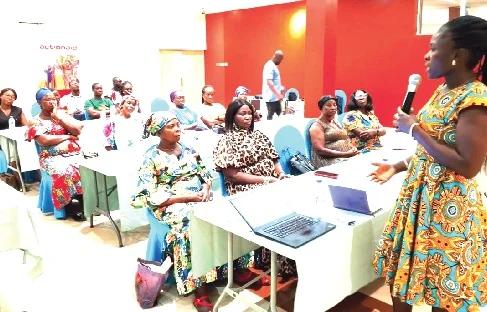
Diana Afriyie, a farmer in Ghana’s Bono region, has achieved a significant breakthrough in food production by more than doubling her maize yields through the adoption of agroecological farming practices. As a member of the Smallholder Women Farmers Movement (SHWFM), Afriyie reported that her seasonal output surged from 20 bags to 48 bags. This remarkable increase is attributed to a shift away from expensive chemical inputs toward sustainable methods such as the use of organic fertilizers and strategic crop rotation. This transition has allowed farmers to sustain their soil health while significantly boosting their individual outputs.
The transition to these sustainable methods has been supported by ActionAid Ghana, which has been providing intensive training to women farmers in the region since 2016. By establishing community seed banks and promoting agroecology, the initiative aims to enhance food security while reducing the financial burden on smallholder farmers. For Afriyie and her peers, the reduction in reliance on imported chemical fertilizers has not only improved soil health but also increased their profit margins by lowering production costs, proving that environmentally conscious farming can be economically viable.
However, despite these individual successes, systemic challenges continue to hamper the ability of women farmers to scale their operations effectively. Participants in the SHWFM have highlighted that limited access to land remains a primary obstacle, as traditional land tenure systems often disadvantage women. Furthermore, the high cost of credit and the lack of reliable irrigation facilities make it difficult for farmers to maintain consistent production levels throughout the year, especially in the face of changing climate patterns and seasonal variations.
Looking forward, advocacy groups are calling for policy interventions to address these structural barriers. Ensuring that women have secure land titles and access to affordable financing is seen as essential for the long-term sustainability of the agroecological movement in Ghana. As the Bono region demonstrates the potential of these methods, the integration of better irrigation infrastructure and improved market access remains crucial for transforming smallholder farming into a robust engine for rural development and national food sovereignty.
