••
CTVET signs three-year MoU with DTI to enhance technical training
•2 min read•1 source
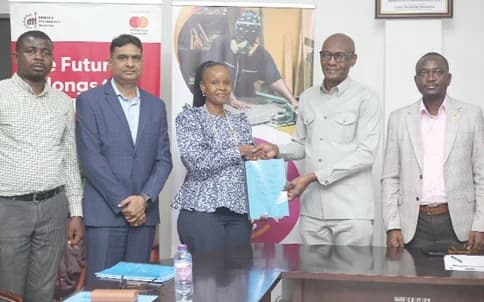
The Commission for Technical and Vocational Education and Training (CTVET) has signed a three-year Memorandum of Understanding (MoU) with the Design and Technology Institute (DTI) to transform Ghana’s technical and vocational training system. The partnership aims to elevate the quality of TVET delivery, mobilize resources, and strengthen institutional capacities across the country. By aligning training programs with national development priorities, the collaboration seeks to create a more efficient and responsive educational framework for the vocational sector.
Constance Swaniker, the founder of DTI, noted that the focus of this agreement is on systemic transformation rather than just individual training. The goal is to build a foundation that supports long-term growth and standardizes excellence within the sector. This involves ensuring that the education provided is not only relevant to the current job market but is also capable of adapting to future economic needs and industrial shifts. This systemic approach is expected to provide a sustainable pipeline of skilled professionals for various industries.
A key feature of the partnership is the establishment of the DTI Pan-Africa TVET Trainer Academy. This initiative is designed to expand accredited training frameworks and provide instructors with specialized, modern skills. By focusing on the trainers themselves, the program aims to ensure that high standards of instruction are maintained consistently across the board. This academy will play a crucial role in delivering the globally recognized skills that industries increasingly demand from the Ghanaian workforce.
The Director-General of CTVET emphasized that the MoU represents the start of significant, impactful improvements to the vocational landscape. The primary objective remains linking high-quality training directly to employment outcomes, ensuring that graduates can seamlessly transition into the workforce. Through this three-year commitment, the two organizations hope to foster a more skilled and competitive workforce that can drive Ghana’s industrial and economic development forward.
