••
Conakry faces public health crisis as rubbish piles up in streets
•2 min read•1 source
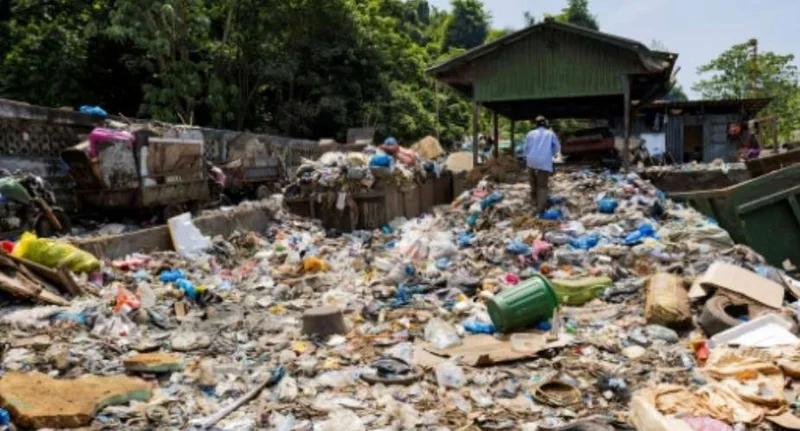
Residents of Conakry, the capital of Guinea, are grappling with a severe public health crisis as garbage accumulates across the city's streets. The breakdown in sanitation follows the closure of the main Dar-es-Salam landfill, which was shut down after a catastrophic landslide in August claimed 36 lives. Since the closure, waste collection services have largely collapsed, leaving the urban population to contend with growing mounds of refuse and deteriorating sanitary conditions.
The closure of the primary disposal site has forced sanitation workers to transport waste to a landfill in the suburb of Coyah. However, the significant distance to Coyah has proven impractical for frequent collection, resulting in a sharp decline in the frequency of rubbish pickups. Consequently, residents have resorted to dumping trash in any available open space, including main roads and residential areas. The resulting stench and environmental degradation have sparked widespread concerns about the potential for disease outbreaks in the densely populated capital.
In response to the crisis, Guinean authorities have initiated a two-pronged approach to waste management. Efforts are underway to rehabilitate the former Dar-es-Salam landfill, which the government plans to eventually transform into a public park. Simultaneously, construction has begun on a new, modern waste management facility in Baritode. This new infrastructure is expected to provide a long-term solution to the city’s sanitation challenges, though residents remain in a state of distress as they wait for these projects to reach completion and for regular collection services to resume.
