••
COMAC Demands Full Fuel Price Deregulation and 14-Day Suspension of New Petroleum Tax Provisions
•3 min read•8 sources
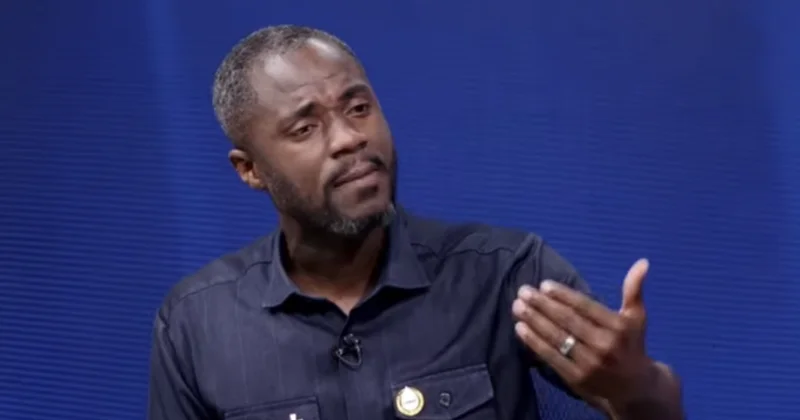
The Chamber of Oil Marketing Companies (COMAC) has intensified its advocacy for a complete overhaul of Ghana's downstream petroleum sector, calling on President John Mahama’s administration to end government interference in fuel pricing. CEO Dr. Riverson Oppong has issued a sharp critique of current policies, arguing that the market remains only partially deregulated while state-imposed subsidies and price caps hinder private business operations. Central to these demands is a 14-day ultimatum issued to the Ministry of Finance to suspend Section 136 of the Customs Act, 2026. COMAC warns that the new tax framework, which shifts tax responsibilities from Oil and LPG Marketing Companies to Bulk Import, Distribution, and Export Companies, lacks proper consultation and could jeopardize the national fuel supply by increasing costs and operational risks.
Dr. Oppong emphasized that the industry is currently facing immense pressure from rising international oil prices and a "saturated" domestic market. With 245 Oil Marketing Companies (OMCs) already competing for market share, COMAC has questioned the rationale behind licensing new entrants while existing players struggle under government-mandated price structures. Specifically, the Chamber pointed to the GH₵2-per-litre diesel subsidy as a complicating factor that obscures true market costs. Dr. Oppong argued that for a free market to function effectively, private operators must be empowered to set prices independently of state controls, noting that excessive intervention remains one of the industry's most significant hurdles.
To alleviate the burden on consumers and businesses, COMAC is advocating for a strategic redistribution of Ghana’s petroleum wealth. The Chamber proposes that the government freeze petroleum taxes and levies, redirecting unexpected "windfall" revenues from the upstream crude oil production sector to support the struggling downstream market. Dr. Oppong also sought to clarify the distinction between the Uniform Pricing Policy Fund (UPPF) and government subsidies. He explained that while the UPPF is vital for ensuring fuel price parity across all regions of Ghana—preventing higher costs in remote areas—it does not directly deplete government revenue in the same way that tax-based subsidies do.
Looking ahead, COMAC has signaled its readiness to hold an emergency meeting to determine further actions if the Ministry of Finance fails to address the concerns regarding the Customs Act within the two-week window. The Chamber is calling for a collaborative dialogue between state stakeholders and industry players to create a more transparent, balanced, and sustainable pricing regime. By aligning the profits of the upstream sector with the operational needs of the downstream sector, COMAC believes the government can provide more effective relief to consumers without compromising the financial health of private oil marketing firms.
Related topic
John Mahama: Latest News & Updates →
