••
Chief Justice Baffoe-Bonnie Faces Resignation Calls Over "Past Eight Years" Comments as Catholic Bishops Urge Restraint
•3 min read•7 sources
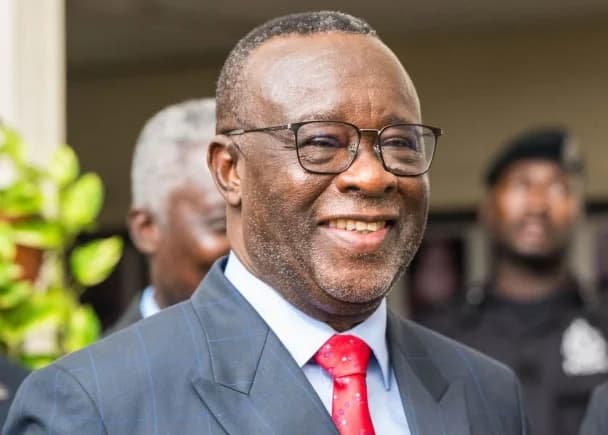
Chief Justice Paul Baffoe-Bonnie has come under intense scrutiny following public remarks that appear to compare the performance of state institutions under the current administration of President John Mahama with the previous eight years. The controversy stems from comments made during the Chief Justice’s visits to the Social Security and National Insurance Trust (SSNIT) and the Minerals Income Investment Fund (MIIF). While the Judicial Service has defended the remarks as observations made in good faith to assess institutional progress, the opposition New Patriotic Party (NPP) and various civil society groups have characterized them as politically charged, leading to formal demands for his resignation.
The Ghana Catholic Bishops’ Conference has intervened in the escalating debate, rejecting the NPP’s call for the Chief Justice’s resignation as "disproportionate." In a statement issued on September 6, 2026, the Bishops acknowledged that while the Chief Justice’s reference to the "past eight years" could be perceived as biased, there is insufficient evidence of actual partisanship to warrant his removal from office. However, they cautioned the Chief Justice to refrain from making government comparisons in the future, emphasizing that his role requires "visible impartiality" to maintain public trust in the judiciary. They urged all political actors to exercise restraint and avoid interpreting judicial monitoring through a partisan lens.
Critics from the NPP, including communications team member Fifi Boafo, argue that the Chief Justice’s conduct creates significant doubts about his neutrality. Boafo pointed to the Chief Justice's public engagements with officials from the ruling National Democratic Congress (NDC) as further evidence of potential bias that could undermine confidence in the bench. Adding to the pressure, Professor Kwesi Yankah, a former Minister of State, suggested in a commentary titled "Cheap Justice?" that President Mahama should interpret the controversy as a prompt for the Chief Justice's early retirement, expressing concern that such remarks risk damaging the judiciary’s reputation for independence.
As the debate continues, the Judicial Service maintains that the Chief Justice remains committed to impartiality and that his primary objective during the visits was to ensure that state institutions are delivering on their mandates for the public good. The situation highlights the delicate balance required of high-ranking judicial officers in Ghana’s highly polarized political environment. Moving forward, the focus remains on whether the Chief Justice will adjust his public engagement style to mitigate further concerns about judicial independence, or if the opposition will continue to push for his exit as the country moves deeper into President Mahama's term.
Related topic
NDC (National Democratic Congress): Latest News →

