••
CEPI launches Africa Research Preparedness Programme for West Africa
•2 min read•1 source
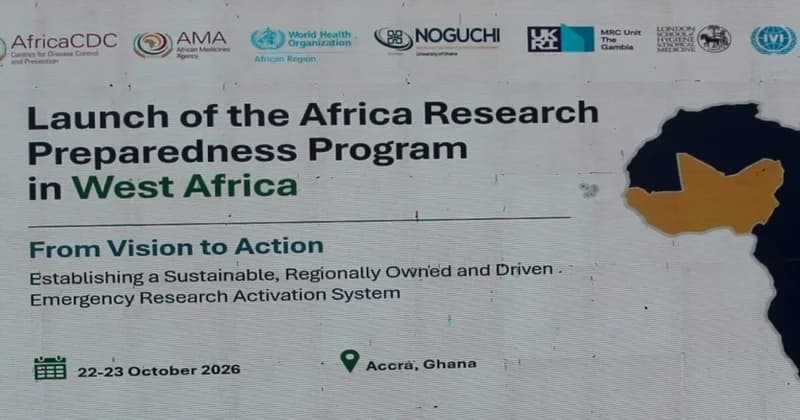
The Africa Research Preparedness Programme for West Africa has been officially launched to enhance the region's public health response to infectious disease outbreaks. This initiative is designed to foster critical connections among research institutions, ensuring a unified and rapid scientific response when health emergencies arise. The primary goal of the programme is to establish a framework where research-driven interventions can be delivered within 10 to 15 days of an outbreak being detected, significantly reducing the window of vulnerability for local populations.
Spearheaded by the Coalition for Epidemic Preparedness Innovations (CEPI) in partnership with the Africa Centres for Disease Control and Prevention (Africa CDC) and the World Health Organization (WHO), the programme utilizes a strategic hub-and-spoke model. This organizational structure links central research hubs with various local institutes to streamline the flow of information and resources. By coordinating efforts in this manner, the programme aims to avoid the fragmented responses seen during previous crises, such as the Ebola epidemic and the COVID-19 pandemic, focusing instead on shared expertise and mobilization.
Shingai Machingaidze, a leading expert from CEPI, highlighted the importance of this collaborative approach in addressing current and future threats like Mpox and other viral diseases. The initiative emphasizes not only immediate emergency research but also the long-term strengthening of regional scientific capacity. By integrating local expertise with international support, the programme seeks to build a sustainable ecosystem for health security in West Africa. This collective effort is expected to improve the speed and effectiveness of clinical trials and data sharing, ultimately saving lives through more timely medical interventions.

