••
Eseka rail disaster survivors demand justice ten years after Cameroon crash
•2 min read•1 source
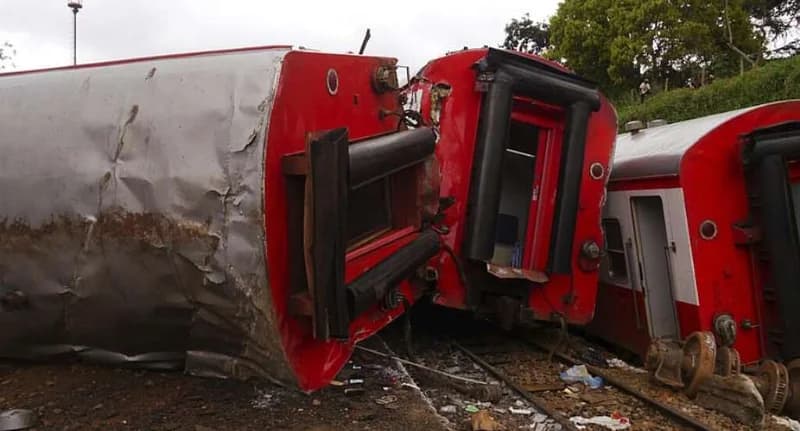
Survivors and families of victims from the 2016 Eseka rail disaster in Cameroon are still appealing for justice and adequate compensation nearly ten years after the tragic event. The derailment, which occurred on October 21, 2016, remains one of the deadliest transport accidents in the country's history. Despite a 2018 court ruling that found the rail operator, Camrail, and several of its employees guilty of involuntary manslaughter, the legal process remains stalled as the company continues to appeal the verdict.
Investigations into the disaster revealed a series of catastrophic failures leading up to the crash. The train was traveling at 96 km/h in a section where the speed limit was restricted to 40 km/h. Furthermore, the train was significantly overloaded and operating with faulty brakes, factors that contributed to its inability to navigate the terrain safely. For survivors like Eugnie, the memories of the horrific scenes remain vivid, while families of the missing, including relatives of Dorette Dissak, continue to search for closure as they have yet to locate the remains of their loved ones.
The path to financial restitution has also been fraught with controversy, as many affected families have criticized the compensation packages offered as being wholly inadequate for their loss and suffering. While the legal battles persist, the corporate landscape has shifted; Camrail's operations were sold to the Mediterranean Shipping Company (MSC) in 2022. For those still waiting for a final resolution, the transition of ownership has added another layer of complexity to their decade-long pursuit of accountability and peace.
