••
US Treasury Secretary Bessent and China's He Lifeng Extend Trade Truce to January 2025
•2 min read•7 sources
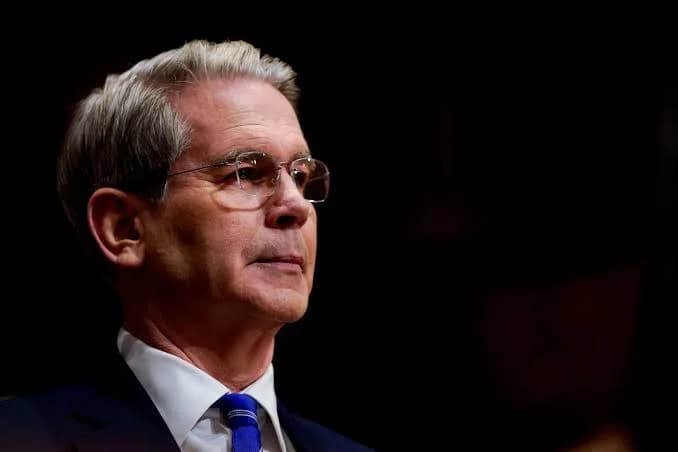
In a significant move to bolster global economic stability, the United States and China have reached an agreement to extend their bilateral trade truce through the end of the year. Originally scheduled to expire on November 10, the truce has been pushed back to January 10, 2025. This development, announced by U.S. Treasury Secretary Scott Bessent, follows high-level negotiations with China’s Vice Premier He Lifeng in Washington. The extension occurs against the backdrop of Chinese President Xi Jinping’s landmark state visit to the U.S., marking his first trip to the country in more than a decade.
The agreement, which has been referred to as the Busan Agreement, provides a critical window for both nations to negotiate a more comprehensive economic package. Secretary Bessent indicated that while a broader deal is the primary goal for the January deadline, the two sides remain open to rolling over the current agreement if additional time is required for complex deliberations. During the Washington meetings, Bessent emphasized the necessity for China to fulfill its existing commitments under previous accords, while noting that the current extension serves as a vital tool for maintaining economic predictability in both nations.
Subsequent discussions are expected to focus on specific sectors, including substantial purchases of American agricultural products by China and the further liberalization of financial services. Negotiators are also working toward establishing specialized lists for reduced tariffs, with a particular focus on consumer and agricultural goods to provide relief to domestic markets. Beyond traditional trade, the dialogue has expanded to include modern security challenges, with both parties exploring initiatives to address artificial intelligence (AI) security and related hacking incidents.
As President Xi Jinping continues his state visit, the focus remains on whether these short-term diplomatic successes can lead to a long-term reset in the complex U.S.-China relationship. While Secretary Bessent acknowledged that certain compliance issues on the Chinese side require further resolution, the extension suggests a mutual desire to avoid immediate economic volatility. The outcome of the upcoming January 10 deadline will likely define the trajectory of bilateral relations for the coming year, influencing global supply chains and international market sentiment.
