••
Ghana Expands Global Economic Ties with Philippines and Japan Amid Escalating US-Canada Trade War
•3 min read•11 sources
Ghana is significantly broadening its international commercial footprint through new bilateral agreements with the Philippines and Japan, even as global markets face volatility from a deepening trade dispute between the United States and Canada. During the 81st United Nations General Assembly, Ghana's Foreign Affairs Minister, Samuel Okudzeto Ablakwa, and Philippine Secretary of Foreign Affairs, Ma. Theresa P. Lazaro, agreed to establish a Ghana-Philippines Chamber of Commerce. This initiative is designed to bolster investment, explore labor mobility, and facilitate private-sector forums, coinciding with the Philippines' upcoming plans to open an embassy in Accra. Simultaneously, Japanese Ambassador Hiroshi Yoshimoto recently highlighted the growing depth of Ghana-Japan relations, noting that 11 Japanese companies are currently leading technology transfers and job creation efforts within the country.
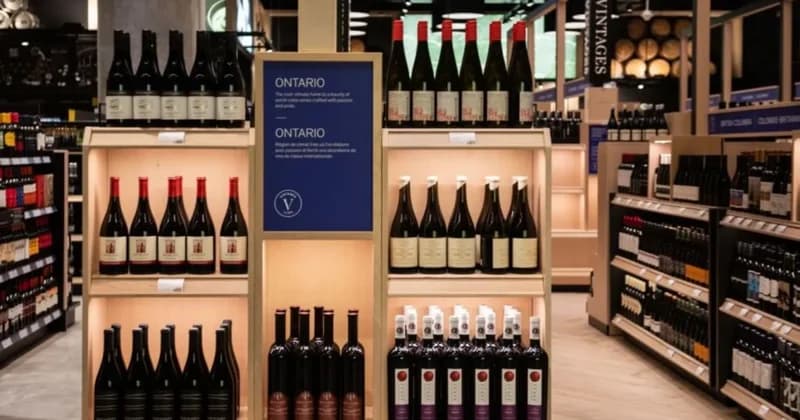
While Ghana pursues these strategic alliances, the North American trade landscape has grown increasingly tense. The United States has officially implemented a ban on approximately C$1 billion ($710 million) worth of Canadian imports, including alcohol, dairy products, and motorcycles. This escalation follows failed trade negotiations and Canada’s previous imposition of tariffs on over 700 American products. While Canadian Prime Minister Mark Carney characterized the economic impact as "modest," industry experts warn of significant consequences for liquor producers. U.S. Trade Representative Jamieson Greer indicated no immediate urgency to resolve the dispute, suggesting the current administration is satisfied with the status of the trade pressure.
Domestically, Ghana’s business sector is undergoing significant regulatory and technological shifts aimed at improving efficiency. The Bank of Ghana has granted Enza a Payment Service Provider Enhanced Licence, allowing the fintech firm to modernize payment systems for local banks like GTBank. In the logistics sector, the High Court in Accra has ordered MSG Freight & Cargo Services to refund excess storage fees following a regulatory intervention by the Ghana Shippers’ Authority (GSA) regarding improper exchange rate applications. Furthermore, the National Lottery Authority (NLA) has announced a transition to a fully digital framework, with all manual paper-based operations set to cease on October 1, 2026.
Despite these advancements, challenges remain within Ghana’s trade infrastructure. The Importers and Exporters Association of Ghana (IEAG) has issued an urgent call to the Food and Drugs Authority (FDA) to resolve persistent delays in the issuance of import codes and permits. These bottlenecks have left various consignments uncleared at the ports, threatening to increase costs for consumers. As Ghana navigates its role in the global economy, the ability of state agencies to streamline regulatory processes will be critical in capitalizing on new international partnerships and maintaining domestic economic stability.
Live rates
Dollar to cedi rate →