••
Benson Droti says 18% of African countries fund health data systems
•2 min read•1 source
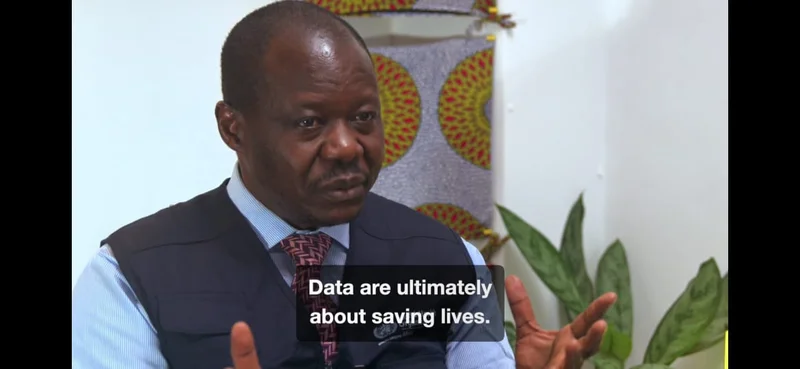
Dr. Benson Droti, a representative from the World Health Organization (WHO), has revealed that only 18% of countries in the African region have dedicated domestic funding for their health information systems. Speaking ahead of the First Africa Health Data Forum in Nairobi, Kenya, Dr. Droti warned that the current reliance on external donor support poses a significant risk to the sustainability of healthcare data collection across the continent. As international aid budgets face increasing pressure and potential reductions, the lack of sovereign financial commitment threatens to undermine the progress made in digital health infrastructure and national planning.
The WHO official highlighted that the current landscape of health data in Africa is characterized by significant fragmentation and a lack of integration. Many countries operate multiple, disconnected systems often established to meet the specific reporting requirements of different international donors. This lack of coordination creates a heavy administrative burden for frontline health workers, who must often enter the same data into several different platforms. Dr. Droti emphasized that without a unified national plan and domestic investment, these systems will remain inefficient and difficult to maintain once specific donor-funded projects conclude.
To address these challenges, Dr. Droti called for stronger national ownership and the better integration of health information systems into broader national development strategies. He argued that government investment is not merely a financial necessity but a prerequisite for ensuring that health data is used effectively to inform local policy and improve healthcare delivery. The upcoming forum in Nairobi is expected to bring together regional stakeholders to discuss viable strategies for building resilient, government-led data infrastructures that can withstand the volatility of international funding cycles and support long-term public health goals.
