••
BBNaija’s Tochi Warns Against Early Marriage, Urges Young Women to Prioritize Education and Self-Discovery
•2 min read•1 source
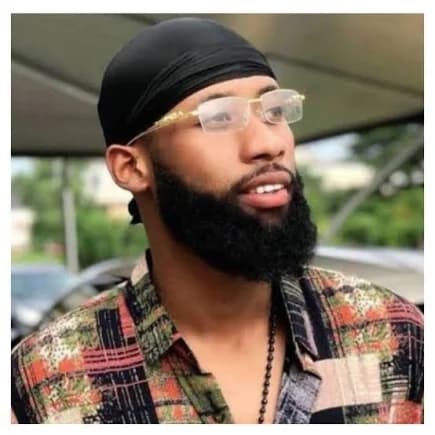
Tochi Okechukwu, a former Big Brother Naija housemate and public figure, has sparked a vital conversation regarding the timing of marriage and its long-term impact on personal development. In a poignant social media address, Okechukwu cautioned young women against rushing into early marriage, arguing that premature domesticity can significantly stifle a woman's dreams and professional ambitions. His message centers on the necessity of self-discovery and the establishment of an individual identity before entering into a lifelong marital commitment.
Central to Okechukwu’s warning is the concern that marrying too early can lead to a complete loss of personal agency. He expressed a pointed worry that when a woman marries before establishing her own path, her "entire life [is] reduced to being the wife," rather than being recognized for her own unique talents or potential. By prioritizing domestic roles over personal growth during formative years, women risk forfeiting their independence and the ability to pursue individual goals that could have otherwise defined their futures. He emphasized that marriage should be approached with careful consideration of timing to ensure it does not become a barrier to personal success.
Instead of immediate matrimony, the reality TV star urged young women to place a higher priority on formal education and achieving financial self-sufficiency. He suggested that building a foundation of knowledge and professional stability is essential for a balanced and healthy life. By focusing on these pillars first, women are better equipped to navigate the complexities of partnership without losing their sense of self. This advocacy highlights the importance of the educational journey as a tool for empowerment, ensuring that women enter marriages as equal partners with their own established backgrounds.
As a public figure with a significant reach, Okechukwu’s stance reflects an evolving cultural dialogue about the roles of women in modern society. While his comments specifically targeted the potential pitfalls of early marriage, they serve as a broader call for young women to take agency over their life timelines. The discussion he has initiated underscores a growing sentiment that personal empowerment and educational attainment are not just individual benefits, but necessary precursors to building sustainable and equitable family structures in the 21st century.
