••
Bank of Ghana warns against using adhesive tape to repair mutilated notes
•2 min read•3 sources
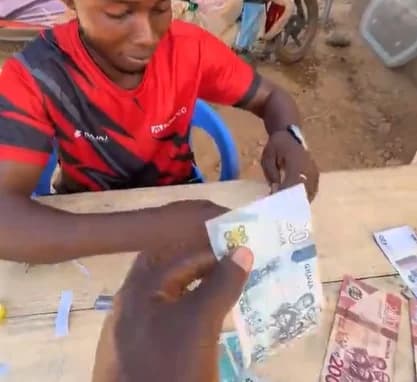
The Bank of Ghana (BoG) has issued a stern warning to the general public against the practice of using adhesive tape, glue, or other materials to repair torn or soiled Ghana cedi banknotes. In a directive issued on October 7, 2026, the central bank emphasized that such actions undermine the integrity of the national currency and render the notes unfit for general circulation. Instead of attempting manual repairs, citizens are urged to surrender damaged or mutilated banknotes to commercial banks across the country for legitimate examination and replacement.
According to the BoG, repaired banknotes pose significant risks to the country's financial infrastructure. These modified notes often cause malfunctions in automated teller machines (ATMs) and other automated processing equipment used by banks, which can lead to transaction disruptions and potential financial losses for both institutions and customers. The central bank clarified that it remains the sole authority responsible for currency management and the re-issuance of banknotes, warning that any unauthorized tampering with the currency is a punishable offense under Ghanaian law, potentially leading to fines or imprisonment.
For a damaged note to be eligible for exchange, the BoG stipulates that a claimant must present more than half of the original banknote to a commercial bank for verification. The central bank highlighted that the frequent replacement of mutilated currency imposes a substantial financial burden on the state, given the high costs associated with printing and distributing new banknotes. By encouraging proper handling and discouraging illegal repairs, the BoG aims to extend the lifespan of the cedi and promote respect for the currency as a national symbol. The public is further advised to report any individuals or entities engaged in the illegal business of repairing damaged currency.
Live rates
Dollar to cedi rate →