••
Speaker Bagbin Revitalizes Health Rights Commission as Funding Crisis Threatens HIV Progress Across Africa
•2 min read•2 sources
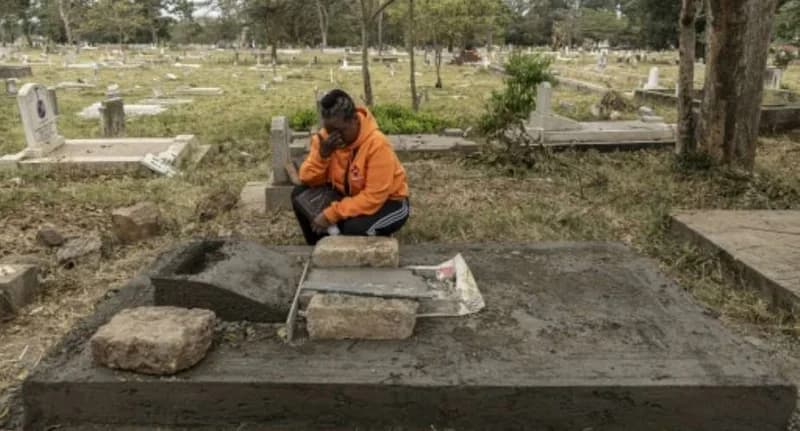
The Speaker of Ghana's Parliament, Rt. Hon. Alban Kingsford Bagbin, has re-inaugurated the African Commission of Health and Human Rights Promoters (CAPSDH) in Accra, a move that comes at a critical juncture for health advocacy on the continent. This revitalized initiative aims to address the urgent health and human rights needs of marginalized groups, particularly as shifting international priorities create dangerous gaps in essential care. The importance of such regional interventions is underscored by reports from Kenya, where experts warn that recent international funding cuts are already leading to a surge in preventable deaths among HIV-positive individuals. In Kenya, the withdrawal of US aid has had a devastating impact on the most vulnerable, with at least 24 deaths confirmed among HIV-positive sex workers who lost access to life-saving support. The closure of specialized clinics that previously provided essential health services has not only cut off treatment but has also exacerbated the stigma and discrimination faced by these individuals. Health experts express deep alarm that the progress made over decades in combating HIV/AIDS is at risk of being reversed, as significant numbers of patients fall out of care, potentially triggering a wider epidemic in the general population. Addressing these systemic barriers, Speaker Bagbin launched the CAPSDH Endowment Fund with a personal donation of GH¢100,000 at the Labadi Beach Hotel. The Commission, originally established in 1989, is pivoting its focus toward a comprehensive mandate that includes healthcare rights, mental health advocacy, and the public health implications of environmental crises like illegal mining. The organization has set an ambitious target of raising US$10 billion over the next five years to ensure sustainable funding for its programs, which aim to integrate human rights into national health policies across Africa. The convergence of the crisis in Kenya and the renewed commitment in Ghana highlights the fragile nature of Africa’s health infrastructure when it remains overly dependent on external donors. As regional bodies like CAPSDH work to secure home-grown funding and legislative support, the situation serves as a stark reminder of the human cost of aid volatility. Moving forward, the success of these advocacy and funding efforts will be essential to protecting the rights of all citizens to access quality healthcare, regardless of their social status or the source of international funding.
